
 Pin
Pin
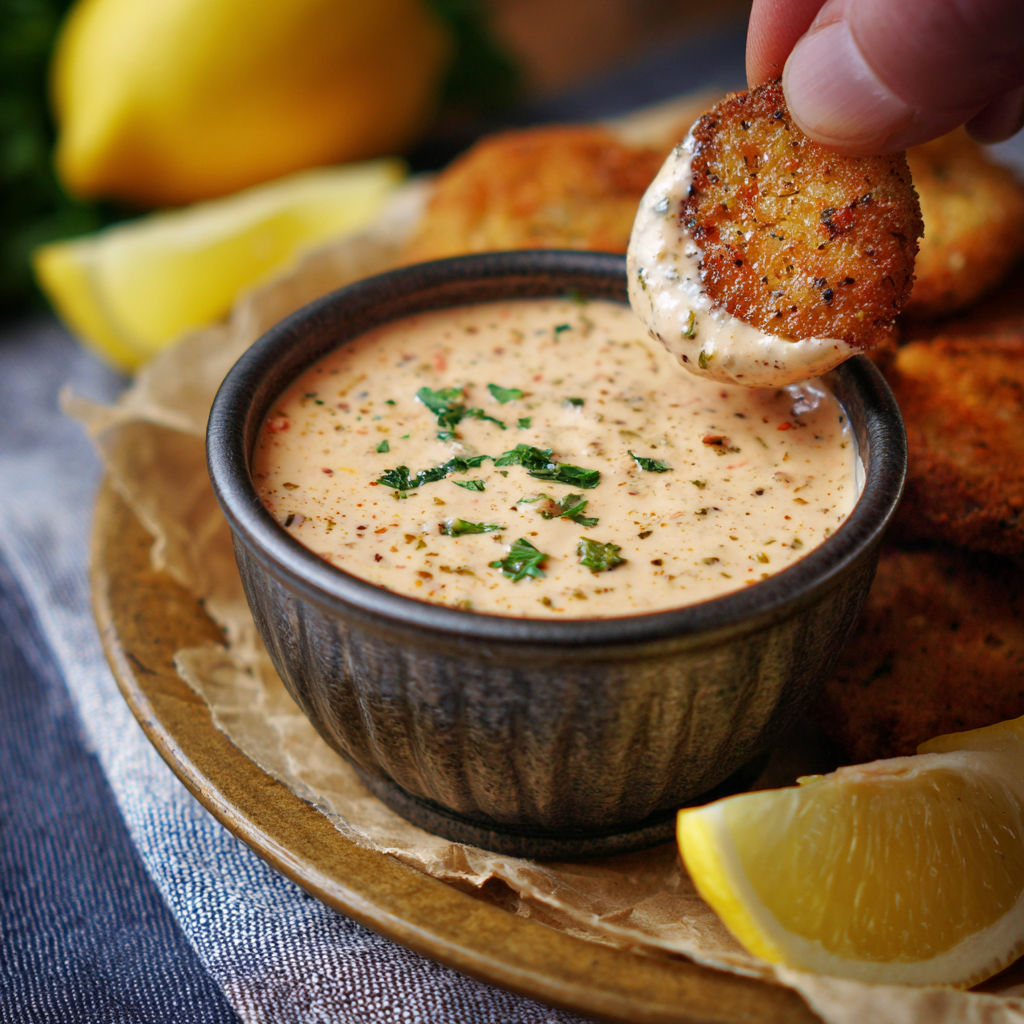
This Louisiana remoulade sauce is perfect for any occasion and easy to make at home. Whether you're serving up crispy fried shrimp, blackened fish, or a classic po'boy sandwich, this tangy, zesty sauce brings authentic Cajun flavor to your table in just minutes.
I discovered this recipe during a trip to New Orleans years ago and have been tweaking it ever since to get that perfect balance of heat, tang, and creamy richness that makes Louisiana cuisine so irresistible. I originally made this for a summer crawfish boil and was amazed at how quickly the bowl emptied. Now it's become my secret weapon for turning simple fried seafood into something restaurant worthy. My husband actually requests I make extra just so he can use it on sandwiches throughout the week.
Gather Your Ingredients
- Real mayonnaise: Two thirds cup provides the creamy base that carries all the flavors. Look for brands made with real eggs and oil rather than miracle whip style dressings for the most authentic taste.
- Whole grain mustard: Four tablespoons adds texture and a sharp tangy bite that sets remoulade apart from ordinary tartar sauce. The mustard seeds give little pops of flavor in every bite.
- Prepared horseradish: Two tablespoons brings the distinctive heat and sinus clearing punch that makes this sauce memorable. Use refrigerated horseradish from a jar rather than dried for maximum impact.
- Ketchup: One tablespoon contributes a subtle sweetness and helps bind the flavors together while adding a hint of tomato depth.
- Fresh lemon juice: Two teaspoons brightens everything up and cuts through the richness. Always use fresh squeezed rather than bottled for the best flavor.
- Dried parsley: Two teaspoons adds a mild herbal note and those classic green flecks you see in traditional remoulade.
- Dried snipped chives: Two teaspoons provide a gentle onion flavor without overpowering the other ingredients.
- All purpose Creole seasoning: Two teaspoons is what gives this sauce its Louisiana soul. Look for brands that contain paprika, garlic powder, onion powder, and cayenne.
- Minced garlic: One teaspoon adds aromatic depth. You can use jarred minced garlic or fresh depending on what you have available.
- Worcestershire sauce: One teaspoon contributes that hard to place umami richness and complexity.
- Sugar (optional): Half teaspoon helps balance the acidity if your lemon juice is particularly tart or if you prefer a slightly sweeter sauce.
How to Make It
- Gather Your Ingredients:
- Pull everything out of your refrigerator and pantry before you begin. Having all your ingredients measured and ready makes the process smooth and ensures you don't forget anything. Let the mayonnaise sit at room temperature for about five minutes so it mixes more easily with the other ingredients.
- Combine the Base:
- In a medium mixing bowl, add the two thirds cup of real mayonnaise first. Make sure it is thick and creamy, not separated or watery. Use a spatula to scrape every bit from your measuring cup into the bowl.
- Add the Mustard and Horseradish:
- Spoon in the whole grain mustard and then the prepared horseradish. Pack the horseradish in the measuring spoon for full flavor.
- Incorporate the Ketchup and Lemon:
- Add the ketchup and squeeze fresh lemon juice, measuring out exactly two teaspoons, and add to the bowl.
- Add the Dried Herbs and Seasonings:
- Sprinkle in dried parsley and dried snipped chives and add the Creole seasoning. Ensure the herbs are fresh and aromatic for best flavor.
- Mix in Garlic and Worcestershire:
- Add minced garlic and drizzle Worcestershire sauce over everything. If using, add the sugar now to balance acidity.
- Blend Everything Together:
- Using a whisk or fork, stir from the center outward until the sauce is homogenous and all ingredients are evenly distributed. The finished sauce should be peachy pink with visible flecks of herbs and mustard seeds.
- Taste and Adjust:
- Dip a clean spoon and taste. Adjust with more heat, tang, or sweetness as needed. Remember flavors will meld as it sits.
- Rest the Sauce:
- Transfer to an airtight container, pressing plastic wrap directly on the surface. Refrigerate at least thirty minutes before serving, ideally one to two hours.
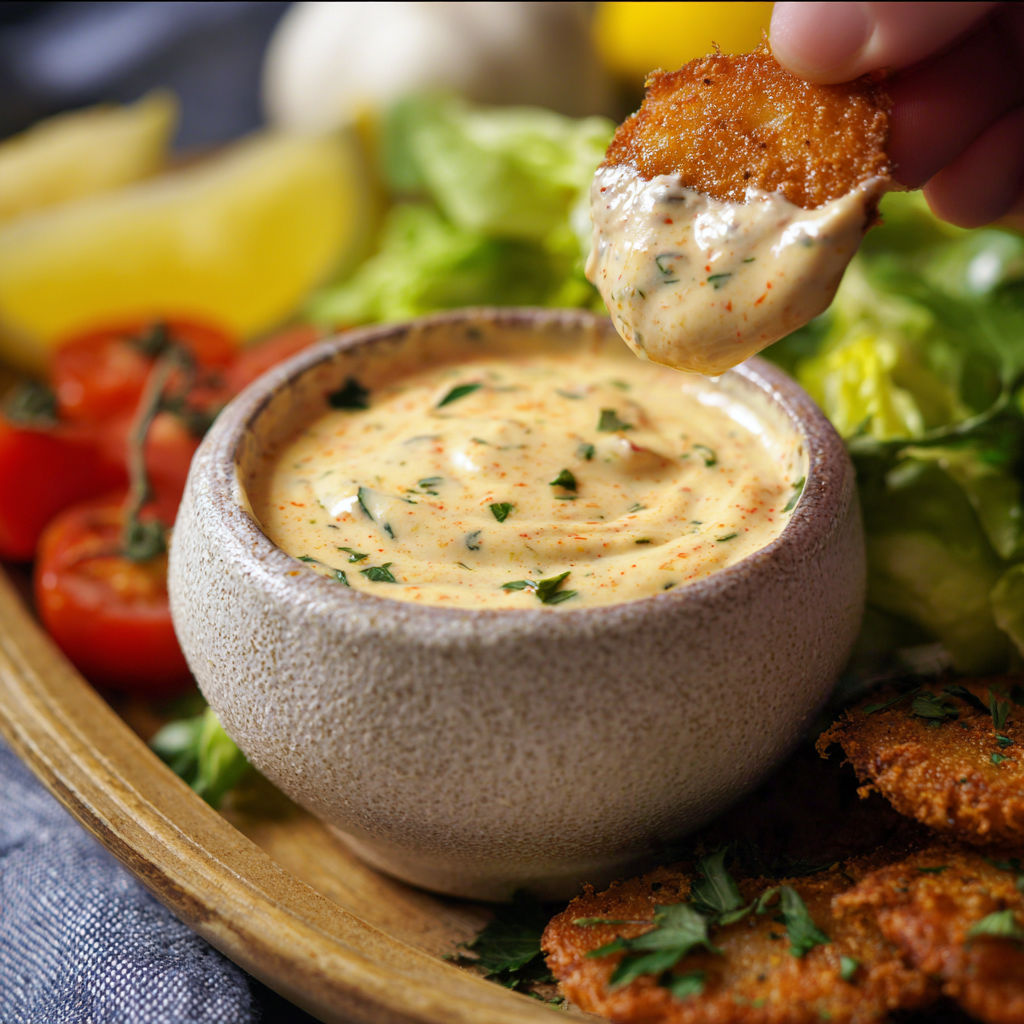
My favorite thing about this remoulade is how versatile it is. I've served it with everything from crab cakes to roasted vegetables and it always gets compliments. The whole grain mustard is really the star ingredient in my opinion because those little seeds add both visual interest and texture that makes each bite interesting. Last summer I made a huge batch for a family reunion and my aunt from Baton Rouge said it reminded her of her grandmother's recipe, which is the highest compliment I could have received.
Flavor Boosters
If you don't have whole grain mustard, try Creole mustard or a mix of Dijon and yellow mustard. Swap in fresh herbs for dried; just triple the quantity and know the sauce will keep for about a week. For more punch, add hot sauce, cayenne, or diced pickles. Adjust heat with more or less horseradish. Cajun seasoning can replace Creole, and you can also customize your own blend using paprika, garlic powder, onion powder, and cayenne pepper. Fresh lemon juice always brightens the flavors.
Serving Suggestions
This remoulade is classic with fried seafood like shrimp, catfish, oysters, and soft shell crab. Use as a sandwich spread—especially for po'boys—or as a dip for raw veggies, fries, onion rings, or hush puppies. It makes an excellent topping for crab cakes or salmon patties, and even works as a dressing for shrimp salad and coleslaw. Try it anywhere you want creamy, tangy Cajun flair.
Creative Twists
For seasonal variations, add a tablespoon of finely diced tomato in summer, smoked paprika in fall and winter, or swap dried for fresh herbs in spring. Dilute with Greek yogurt or sour cream for a lighter sauce. During crawfish season, serve it as a vital dip. Adjust heat and herb content to suit the season, and never freeze it—remoulade should always be made fresh.
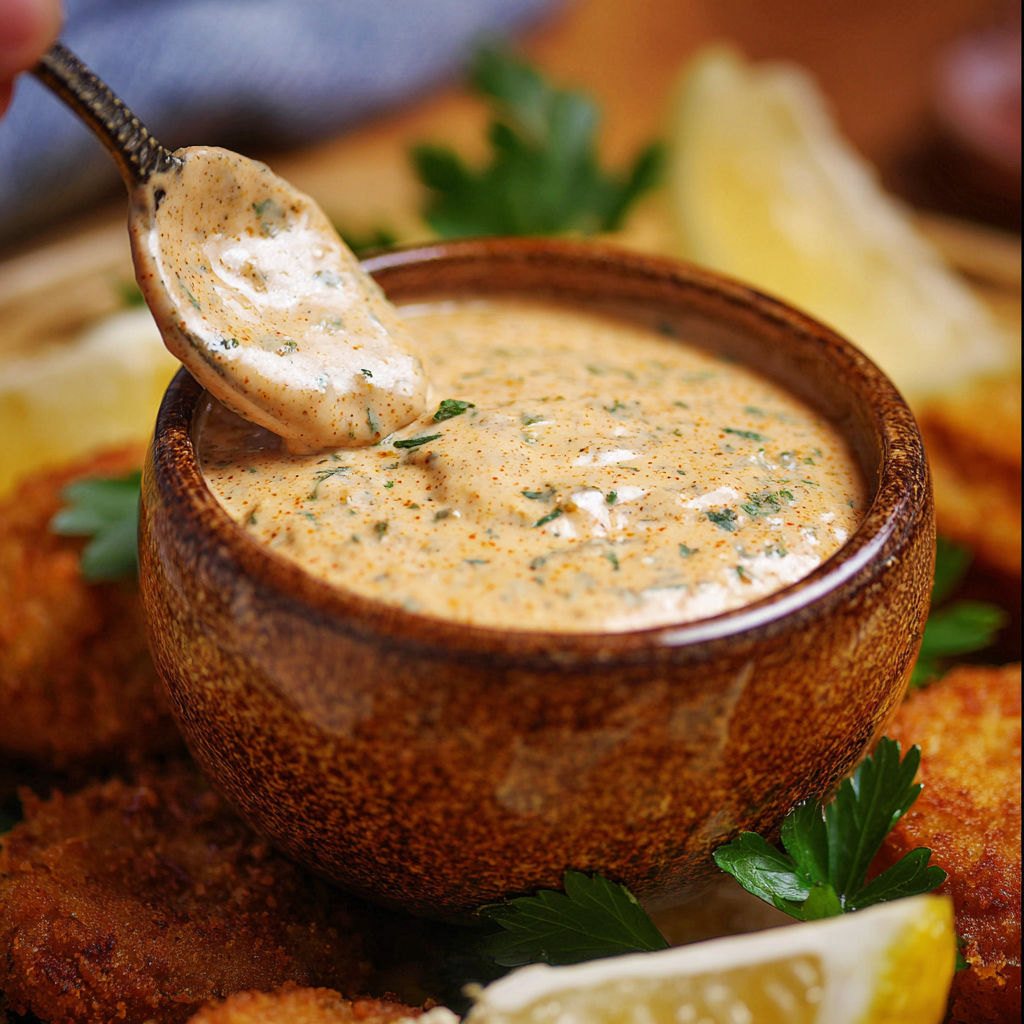
This Louisiana remoulade is one of those recipes that turns a simple meal into something guests remember. Once you taste the bright, creamy, zesty flavors, you'll want to keep a jar in your fridge all year round.
Common Questions About This Recipe
- → What dishes pair well with Louisiana remoulade?
Louisiana remoulade is excellent with fried or grilled seafood, crab cakes, po'boys, fries, and roasted vegetables.
- → Can I adjust the spiciness level?
Yes, increase or decrease the creole seasoning and horseradish to match your preferred heat and flavor profile.
- → How long will this remoulade sauce last refrigerated?
Store in an airtight container in the fridge for up to one week for peak freshness and flavor.
- → Is it possible to use fresh herbs instead of dried?
Fresh parsley and chives can be used for brighter flavor. Substitute at a ratio of 1 tablespoon fresh for 1 teaspoon dried.
- → Can low-fat mayonnaise be used?
Low-fat mayonnaise works, though the sauce may be less creamy and slightly less rich in flavor.