
 Pin
Pin
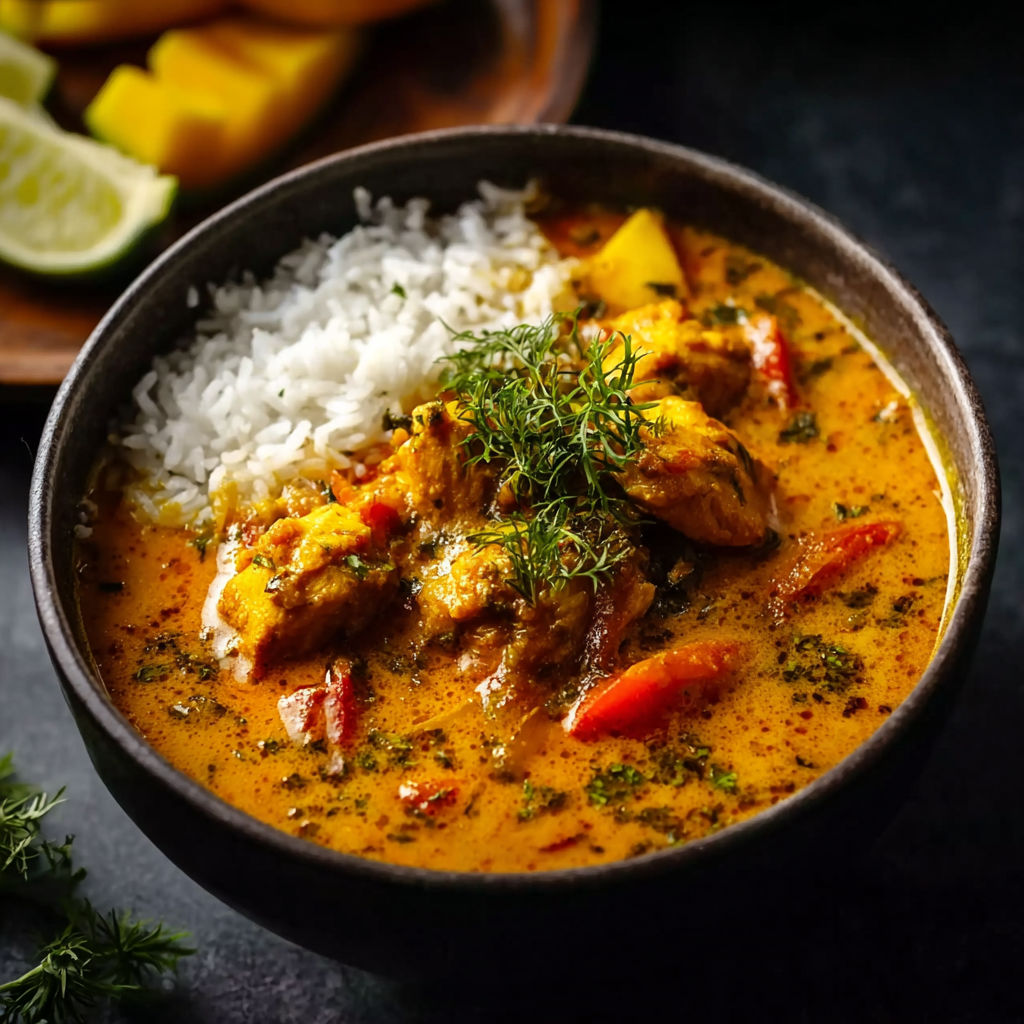
This mango chicken curry brings together the creamy richness of coconut milk with the bright sweetness of fresh mango for a dish that feels both comforting and exotic. I stumbled upon this combination during a trip to a small coastal town where tropical fruits met traditional curry spices, and it has since become my go to recipe when I want to impress dinner guests without spending hours in the kitchen.
I originally made this for a potluck where I needed something that would stand out, and three people asked for the recipe before the evening ended. Now I make a double batch whenever I have ripe mangoes on hand because my family has learned to love that sweet and spicy combination that makes this curry so unique.
Gather Your Ingredients
- 1 lb boneless skinless chicken breast cut into bite sized pieces: Choose chicken that looks pink and fresh without any gray spots. The bite sized pieces ensure even cooking and make serving easier.
- 1 ripe mango peeled and diced: Look for mangoes that give slightly when pressed and smell sweet at the stem end. A ripe mango will have that perfect balance of sweetness and acidity that makes this curry shine.
- 1 medium onion finely chopped: Yellow onions work best here for their balanced sweetness. The finer you chop, the better they will melt into the sauce.
- 2 garlic cloves minced: Fresh garlic is essential. Pre minced garlic from a jar simply cannot match the pungent aromatic quality of freshly minced cloves.
- 1 inch piece ginger grated: Fresh ginger root adds a warming spice that dried ginger cannot replicate. Look for firm roots with tight skin.
- 1 cup coconut milk: Full fat coconut milk creates the luxurious creamy texture. Shake the can well before opening to ensure the cream and liquid are mixed.
- 2 tablespoons curry powder: A good quality curry powder makes all the difference. Look for one with a vibrant yellow color and strong aroma.
- 1 tablespoon vegetable oil: Any neutral oil works, but I prefer one with a high smoke point for better browning.
- 1 teaspoon salt: This is a starting point. Taste and adjust at the end based on your preference.
- 1/2 teaspoon ground turmeric: Beyond the gorgeous golden color, turmeric adds earthy warmth and wonderful health benefits.
- 1/2 teaspoon chili powder: Adjust this based on your heat tolerance. Start with less if cooking for children.
How to Make It
- Prepare Your Aromatics:
- Heat the oil in a large skillet over medium heat until it shimmers slightly but does not smoke. This usually takes about one minute. Add the finely chopped onion and spread it across the pan in an even layer. Let the onion sauté for 3 to 4 minutes, stirring occasionally to prevent sticking. You want the onion to become translucent and softened, with the edges just beginning to turn golden. This process releases the natural sugars and creates a sweet foundation for your curry.
- Build the Spice Base:
- Once your onions have softened, create a small well in the center of the pan by pushing the onions to the sides. Add the minced garlic and grated ginger directly into this well. The heat will immediately release their aromatic oils. Stir constantly for about 1 minute, making sure they do not burn, as burned garlic turns bitter. When you can smell that wonderful ginger and garlic fragrance filling your kitchen, add the curry powder, turmeric, and chili powder. Stir everything together and cook for another full minute. This toasting step is crucial because it awakens the dormant oils in the spices and intensifies their flavor dramatically. The mixture will become very fragrant and the spices will darken slightly.
- Brown the Chicken:
- Add the bite sized chicken pieces to the skillet, spreading them out so they make good contact with the hot surface. Let them cook undisturbed for about 2 minutes to develop a light brown crust on one side. Then turn the pieces and continue cooking, stirring occasionally, until all sides have some color on them. This should take about 5 to 6 minutes total. The chicken does not need to be cooked through at this stage, but it should be opaque on the outside. The browning adds depth and complexity to the final dish that you simply cannot achieve by just simmering raw chicken in sauce.
- Create the Curry Sauce:
- Pour the coconut milk into the skillet, making sure to scrape up any browned bits stuck to the bottom of the pan with your spoon. These bits are pure flavor. Add the salt and stir everything together until well combined. The sauce will look thin at first but will thicken as it simmers. Bring the mixture to a gentle simmer, which means you should see small bubbles breaking the surface regularly but not a rolling boil. Reduce the heat to medium low and let it cook uncovered for about 15 minutes. Stir occasionally to prevent sticking and to ensure the chicken cooks evenly. The chicken is done when it reaches an internal temperature of 165 degrees Fahrenheit and is no longer pink in the center.
- Add the Mango:
- Gently fold the diced mango into the curry, being careful not to break up the pieces too much. The mango should heat through and soften slightly but still maintain its shape and texture. Cook for 3 to 4 minutes, stirring very gently. The fruit will release some of its natural juices into the sauce, adding sweetness and a lovely fruity aroma. If you cook the mango too long, it will turn to mush, so watch it carefully during this final step.
- Final Touches and Serving:
- Taste the curry and adjust the seasoning if needed. You might want to add a pinch more salt or a squeeze of lime juice for brightness. Remove the skillet from the heat and let it rest for a minute or two, which allows the flavors to settle and meld together. Garnish with fresh cilantro leaves if you have them. Serve the curry hot over steamed basmati rice or with warm naan bread for scooping up all that delicious sauce.
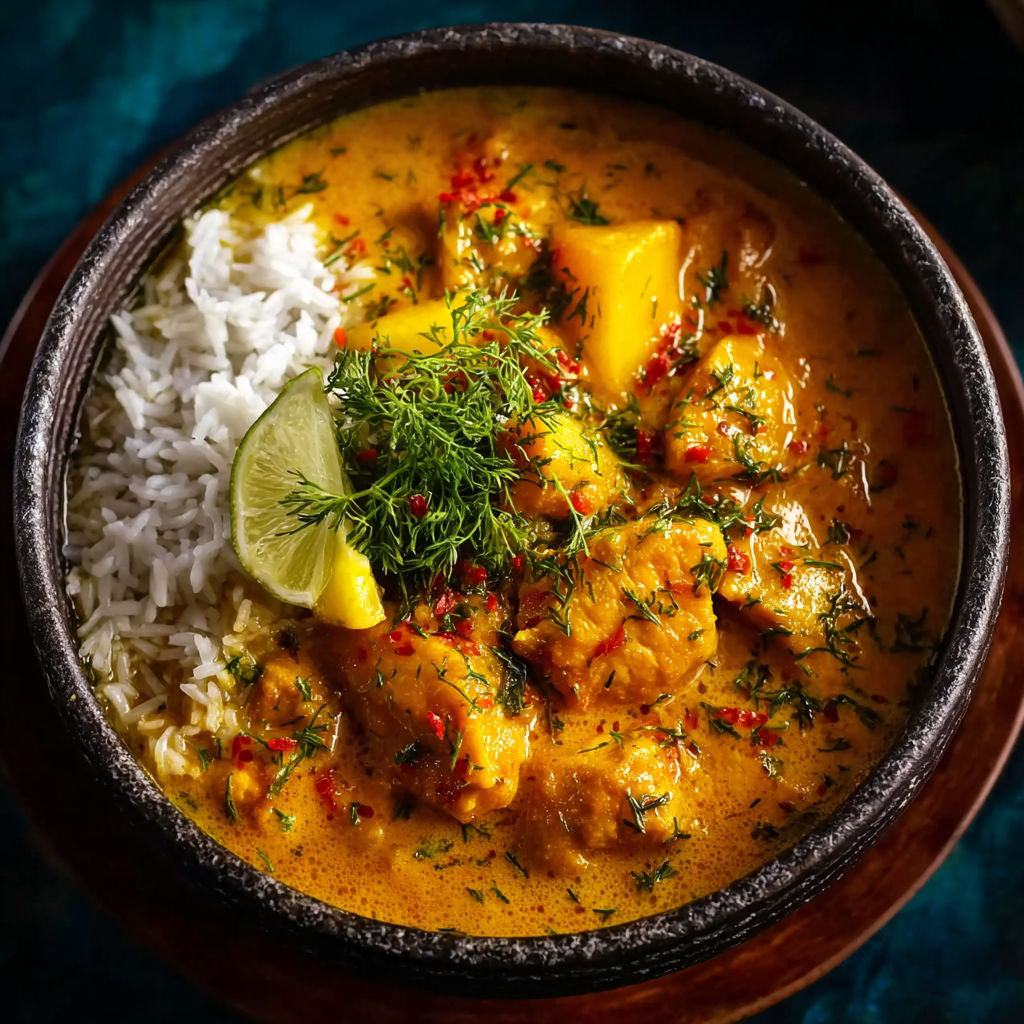
My favorite part of this recipe has always been the mango itself. I learned from a friend who grew up in Kerala that adding fruit to curry is traditional in many coastal regions where mangoes grow abundantly. She taught me to choose mangoes that are ripe but still slightly firm so they hold their shape during cooking. The first time I made this, I used an overripe mango and ended up with mango puree instead of chunks, which was still delicious but not quite the texture I wanted. Now I know that the perfect mango should yield just slightly to pressure but still feel substantial when you dice it.
Flavor Boosters
This curry actually tastes even better the next day after the flavors have had time to marry in the refrigerator. Store leftovers in an airtight container in the fridge for up to four days. When reheating, do so gently over low heat on the stovetop or in the microwave at half power. Add a splash of coconut milk or water if the sauce has thickened too much during storage. For best results, freeze the curry before adding the mango, then add fresh diced mango when you reheat so the fruit stays firm and flavorful.
Serving Suggestions
I always serve this curry over fluffy basmati rice, which soaks up the sauce perfectly. Warm naan bread or roti makes a great side dish for scooping, and a cool yogurt cucumber salad provides the perfect contrast to the warm spices. For a lighter option, try cauliflower rice, or pair with sautéed spinach and a fresh tomato salad for a more complete meal.
Creative Twists
If you cannot find fresh mango, frozen chunks work well just thaw and drain first. Try peaches for a summery variation, or swap in chicken thighs, tofu, or shrimp based on your needs. You can also stir in a spoonful of Greek yogurt off the heat for a tangy creamy finish, or toast your curry powder in a dry pan before starting for deeper flavor.
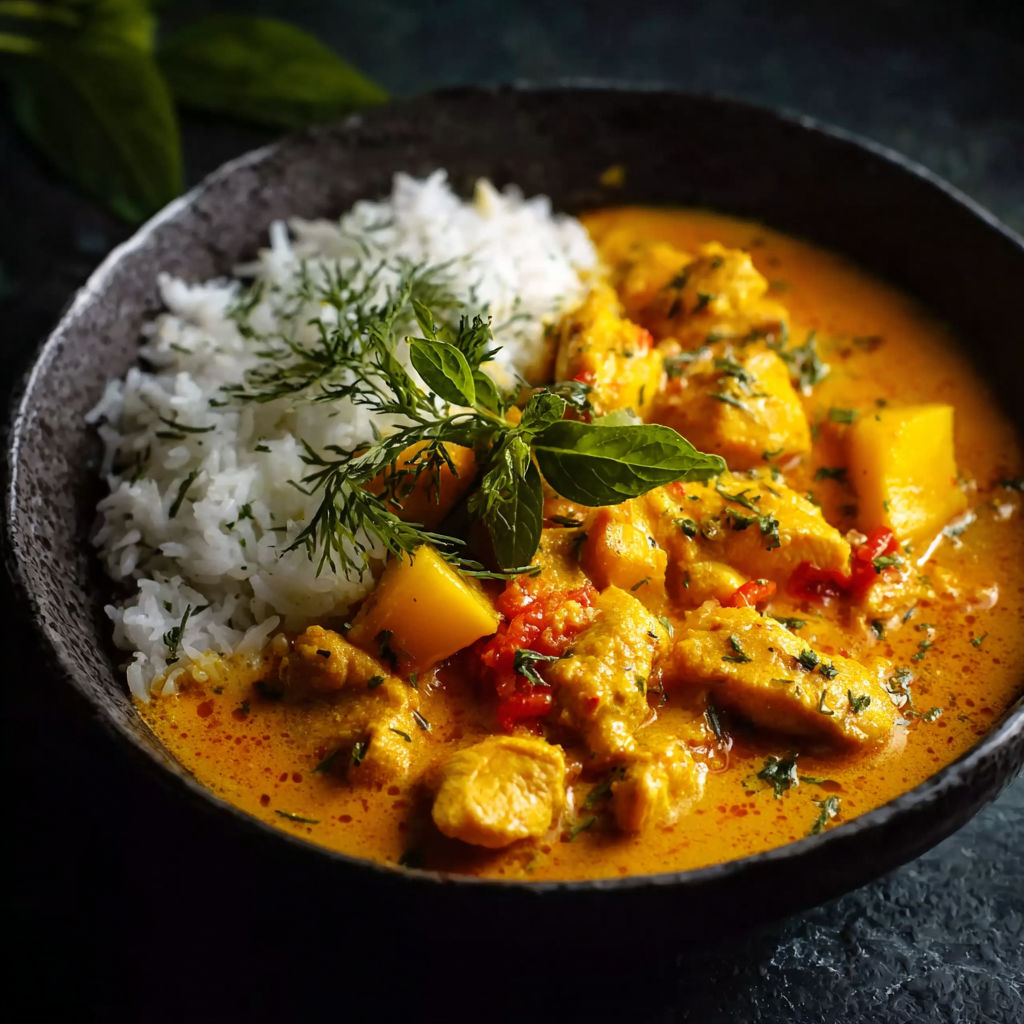
This curry is always a hit at my table thanks to its balance of sweet, spicy, and creamy elements. Even picky eaters and curry skeptics find themselves going back for seconds.
Common Questions About This Recipe
- → Can I use frozen mango for this dish?
Yes, frozen mango can be used if fresh is unavailable. Thaw and drain excess liquid before adding to the curry for the best texture.
- → What can I serve with mango chicken curry?
This dish pairs well with steamed rice, jasmine rice, or naan bread to soak up the flavorful curry sauce.
- → Is there a non-dairy substitute for coconut milk?
If you need a non-dairy option, try substituting coconut milk with almond milk or cashew cream for creaminess, though the flavor will change slightly.
- → How spicy is this curry?
The heat comes mainly from chili powder and can be adjusted to your preference. For a milder flavor, reduce or omit the chili powder.
- → Can I make this dish ahead of time?
Yes, this curry can be made ahead and stored in the refrigerator for up to 2 days. Reheat gently, and add mango just before serving to preserve its texture.