
 Pin
Pin
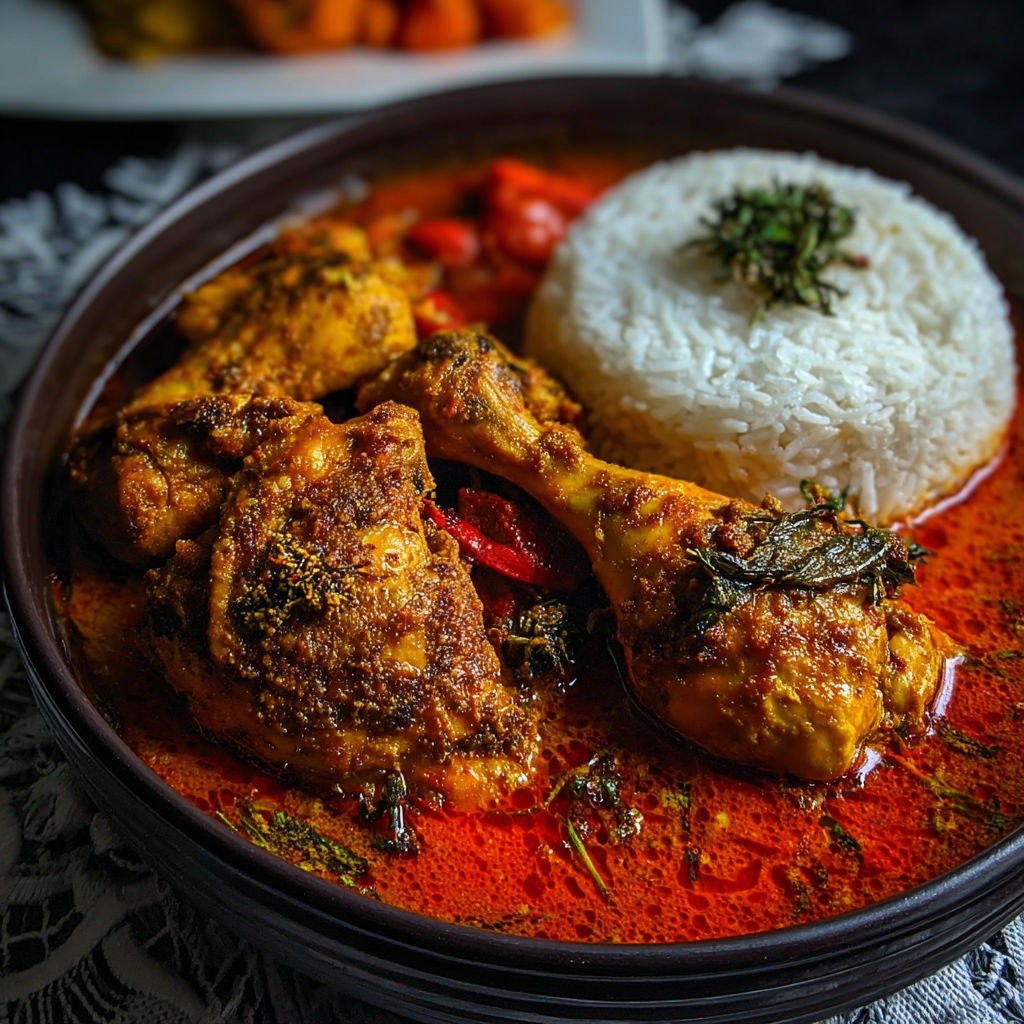
This vibrant Nigerian chicken stew brings the warmth and bold flavors of West African cooking straight to your table. Rich with tomatoes and peppers and simmered until the chicken falls off the bone, this stew has become my answer to dinner guests who want something memorable and my family's Sunday favorite that fills the house with the most incredible aroma.
I stumbled upon this recipe years ago at a friend's home in Lagos and spent months perfecting it in my own kitchen. Now my husband claims it's the dish that made him fall in love with West African cuisine, and I catch him sneaking spoonfuls straight from the pot before dinner is even ready.
Gather Your Ingredients
- 5 lbs bone in chicken thighs or drumsticks cleaned: Dark meat stays juicier during the long simmer and adds richness to the stew. Look for pieces with skin on for extra flavor.
- 1 teaspoon salt: Draws moisture from the chicken during marinating and seasons from within. I prefer sea salt for its clean taste.
- 1/2 teaspoon black pepper: Adds gentle heat and earthiness. Freshly ground makes a noticeable difference.
- 1 teaspoon paprika: Contributes color and mild sweetness. Choose Hungarian or Spanish paprika for the best flavor.
- 1 teaspoon curry powder: Brings warmth and complexity. Nigerian curry powder tends to be milder than Indian varieties.
- 1 teaspoon thyme: Dried thyme works perfectly here and adds an herbal note that balances the richness.
- 1 onion chopped: This onion goes into the marinade to infuse the chicken with aromatic flavor from the inside out.
- 1/4 cup vegetable oil: Neutral oil with a high smoke point is essential for searing chicken properly. Avoid olive oil which burns too easily.
- 4 large Roma tomatoes: These meaty tomatoes have less water content and create a thicker stew base. Choose firm ones without blemishes.
- 1 large red bell pepper: Adds sweetness and body to the sauce. Red peppers are sweeter than green and create a more balanced flavor.
- 1 small red onion: The second onion goes into the blended sauce for depth. Red onions are slightly sweeter and less sharp than yellow.
- 2 scotch bonnet peppers or 1 for less heat: These bring authentic Nigerian heat and fruity flavor. Habaneros work as a substitute if you cannot find scotch bonnets.
- 2 tablespoons tomato paste: Concentrates the tomato flavor and adds umami richness. Frying it removes the raw taste.
- 1 teaspoon garlic powder: Provides savory depth without the bite of fresh garlic which can become bitter during long cooking.
- 1 teaspoon ginger powder: Adds warmth and subtle spice. Ground ginger distributes more evenly than fresh in this application.
- 1 bouillon cube: A West African cooking staple that adds concentrated savory flavor. Maggi or Knorr brand cubes are most traditional.
- Salt to taste: Final seasoning adjustment after the stew has cooked and flavors have concentrated.
How to Make It
- Season and Marinate the Chicken
- Place your cleaned chicken pieces in a large bowl and sprinkle the salt, black pepper, paprika, curry powder, and thyme evenly over all surfaces. Add the chopped onion and use your hands to massage the seasonings into every piece of chicken, making sure to get under the skin where possible. This physical process helps the flavors penetrate deeper into the meat. Cover the bowl with plastic wrap or transfer to a sealed container and let it rest in the refrigerator for at least 30 minutes or up to overnight. The longer marination time allows the salt to break down proteins slightly, resulting in more tender and flavorful meat.
- Sear the Chicken Until Golden
- Heat the vegetable oil in a large heavy bottomed skillet or Dutch oven over medium high heat until it shimmers but does not smoke. Remove the chicken from the marinade, shaking off excess onions, and carefully place pieces skin side down in the hot oil without crowding the pan. You may need to work in batches to avoid steaming the chicken. Let each piece cook undisturbed for about 4 to 5 minutes until a deep golden brown crust forms on the bottom. Flip each piece with tongs and sear the other side for another 4 minutes. This browning creates complex flavors through the Maillard reaction and adds color to your final stew. Transfer the seared chicken to a plate and set aside, leaving the flavorful oil in the pan.
- Prepare the Pepper Sauce Base
- While the chicken rests, add your Roma tomatoes, red bell pepper, small red onion, and scotch bonnet peppers to a blender. Blend on high speed for about 60 to 90 seconds until you achieve a completely smooth, vibrant red mixture with no visible chunks. The consistency should be like a thick juice. If your blender struggles, add a tablespoon or two of water to help the blades move, but avoid adding too much liquid which will make your stew watery. This smooth blend is the soul of Nigerian stew and creates that signature silky texture.
- Fry the Tomato Paste
- Return your attention to the skillet with the chicken drippings still in it. Add the tomato paste directly to the hot oil and use a wooden spoon to stir constantly for about 2 minutes over medium heat. The paste will darken slightly and become fragrant as it fries. This step is crucial because it cooks out the raw acidic taste of tomato paste and concentrates its savory qualities. The paste may splatter a bit, so keep stirring and stand slightly back from the pan.
- Cook Down the Pepper Sauce
- Pour your blended pepper mixture into the skillet with the fried tomato paste. The sauce will bubble vigorously as the liquid hits the hot oil, so pour carefully and step back. Stir everything together to combine the tomato paste throughout the sauce. Reduce the heat to medium and let this mixture cook uncovered for about 10 minutes, stirring occasionally. You will notice the raw pepper smell gradually transforms into a sweet, cooked tomato aroma, and the sauce will reduce by about a third, with oil beginning to separate and rise to the surface. This process removes the raw vegetable taste and concentrates the flavors beautifully.
- Add Seasonings and Develop Flavor
- Sprinkle in the garlic powder and ginger powder, stirring them into the sauce until evenly distributed. Crumble the bouillon cube directly into the pot, using your spoon to break it up and incorporate it throughout the sauce. Add salt cautiously at this stage, starting with just half a teaspoon since the bouillon cube already contains salt. Stir everything together and let it cook for another 2 minutes so the spices can bloom in the hot oil and release their full flavor potential.
- Simmer the Chicken to Perfection
- Nestle your seared chicken pieces back into the sauce, turning each piece to coat it completely in the rich red mixture. Reduce the heat to low so the sauce barely bubbles with gentle, lazy pops. Cover the pot with a lid slightly ajar to allow some steam to escape while retaining moisture. Let this simmer for 25 to 30 minutes, checking occasionally to turn the chicken pieces and ensure nothing sticks to the bottom. The chicken should become fall off the bone tender, and the stew will thicken considerably as the sauce reduces and the chicken releases its juices. If the stew becomes too thick before the chicken is tender, add a splash of water or chicken stock. Taste and adjust the salt at the end of cooking when all flavors have fully developed.
- Rest and Serve
- Remove the pot from heat and let it rest for 5 minutes before serving. This resting time allows the chicken to reabsorb some of the flavorful sauce and makes it easier to handle. Serve the stew hot, spooning extra sauce over each portion of chicken. This pairs beautifully with white rice, fried plantains, or cauliflower rice for a lower carb option.
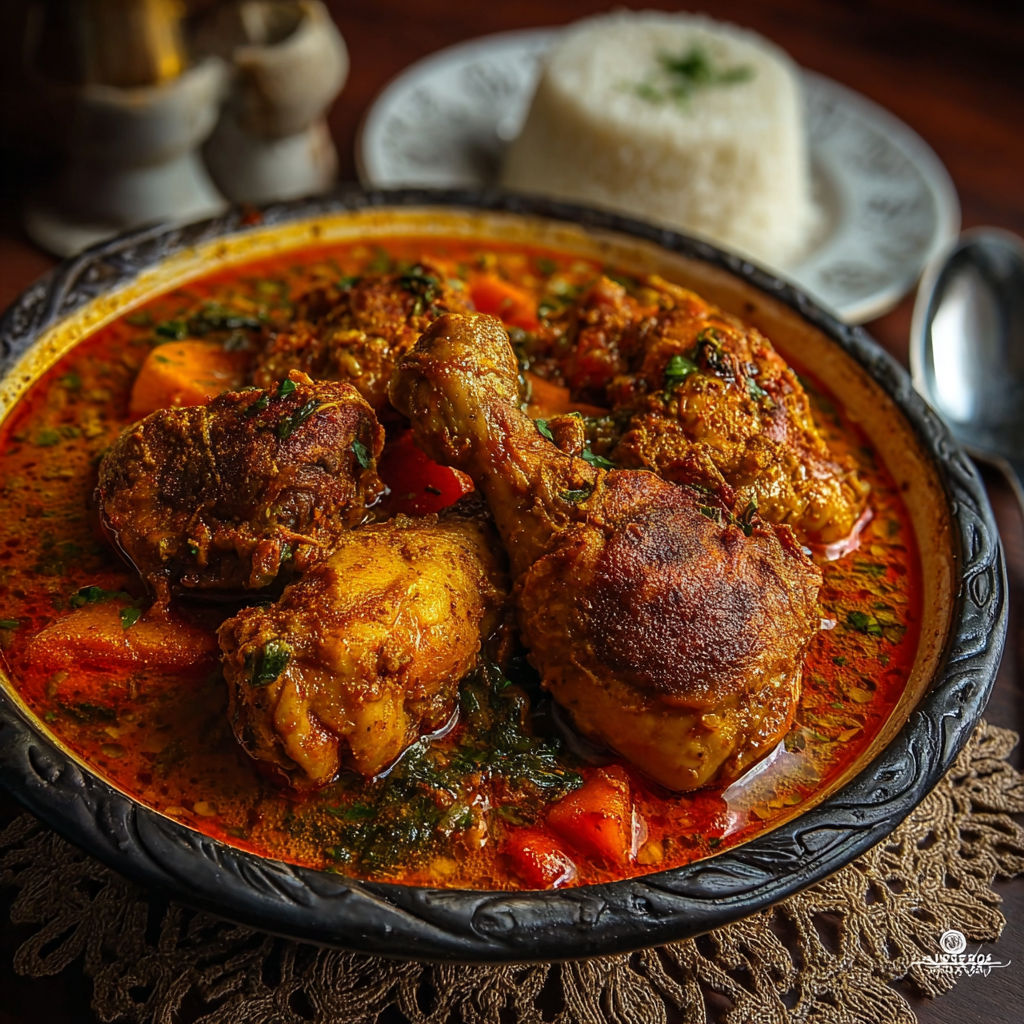
The scotch bonnet peppers are truly the star ingredient that sets this apart from other tomato based stews I've made. Their fruity heat is completely different from jalapeños or serranos, and I remember the first time I tasted authentic Nigerian stew at a friend's wedding, that unique pepper flavor was what captivated me. Now I always keep a bag of scotch bonnets in my freezer so I can make this stew whenever the craving hits.
Flavor Boosters
If you cannot find scotch bonnet peppers, habaneros provide similar heat and fruitiness, though the flavor profile differs slightly. For a milder version that children will enjoy, use one jalapeño or omit the hot peppers entirely and add a pinch of cayenne for gentle warmth. Chicken breasts can replace dark meat if you prefer, but reduce the simmering time to 15 minutes to prevent drying out. Fresh tomatoes can be swapped for two 14 ounce cans of diced tomatoes, drained before blending. When fresh bell peppers are expensive, frozen roasted red peppers from a jar work surprisingly well. Chicken bouillon powder can substitute for the cube, using about one teaspoon. I've even made this with turkey legs during Thanksgiving leftovers season, and the results were outstanding.
Serving Suggestions
Nigerian chicken stew demands to be served over something that soaks up its glorious sauce. Plain white jasmine or basmati rice is traditional and lets the stew flavors shine without competition. Jollof rice creates a more elaborate meal when you want to impress guests. Fried sweet plantains add a sweet contrast that balances the savory richness perfectly. For lower carb options, cauliflower rice or sautéed cabbage work beautifully. I also love serving this with a simple cucumber and tomato salad dressed with lemon juice to cut through the richness. A side of steamed green beans or sautéed spinach adds color and freshness to the plate. My favorite weekend lunch involves this stew spooned over a mound of coconut rice with a handful of fresh cilantro scattered on top.
Creative Twists
This stew represents one of the foundational dishes in Nigerian cuisine, appearing at celebrations, Sunday dinners, and everyday meals across the country. The technique of frying tomato paste and cooking down fresh peppers creates what Nigerians call the "stew base," which forms the foundation for countless other dishes. Every family has their own version with slight variations in spice levels and cooking times, passed down through generations. The arrival of this stew on the table signals comfort, home, and the care of whoever spent time preparing it. In Nigerian households, making a large pot of stew on Sunday to last through the week is a common practice, and the aroma becomes synonymous with weekend family time. Learning to make this properly feels like being welcomed into a rich culinary tradition.
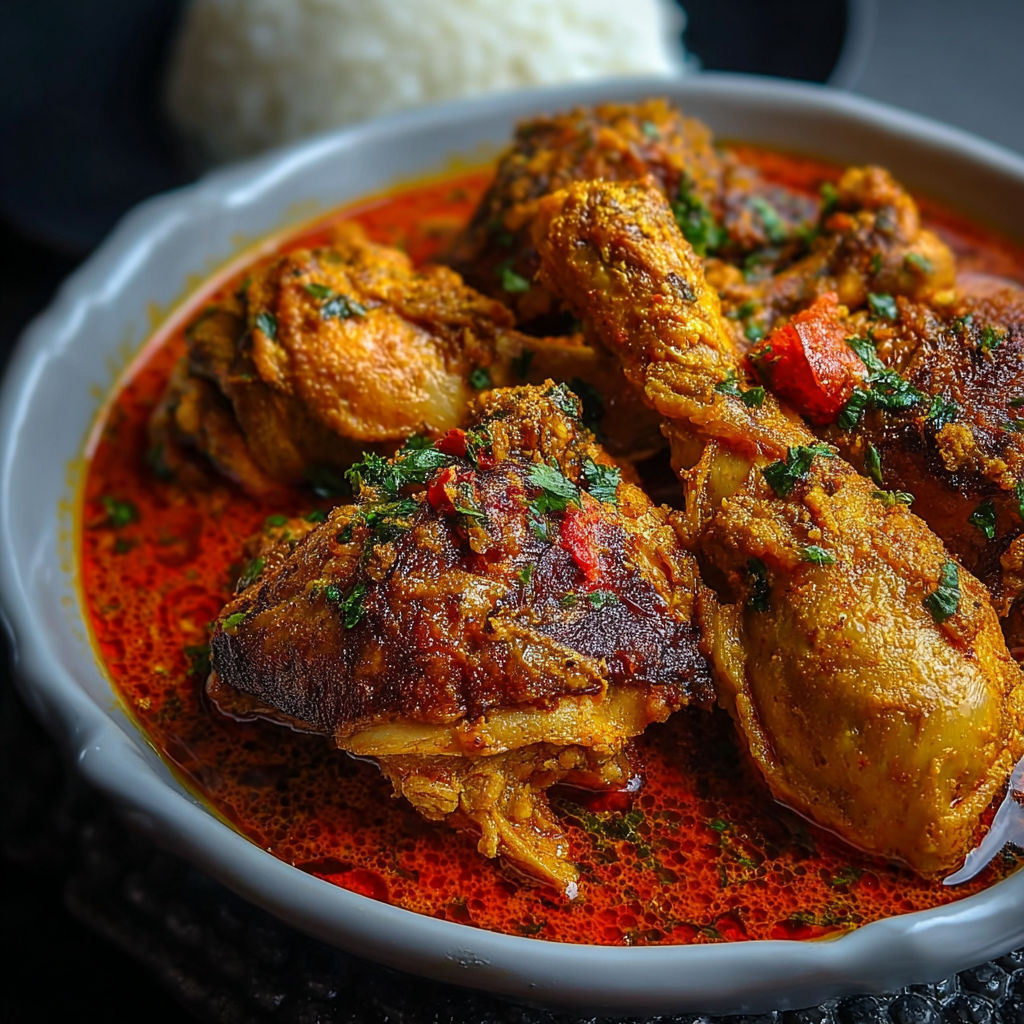
Don't rush the pepper sauce cooking stage. Let the chicken finish simmering undisturbed for best results — and use a splatter screen for easy cleanup!
Common Questions About This Recipe
- → Can I use boneless chicken instead of bone-in pieces?
Yes, boneless chicken can be used, but bone-in pieces provide deeper flavor and keep the meat moist during simmering. Adjust cooking time for boneless to avoid overcooking.
- → What can I serve alongside this dish?
Traditional accompaniments include steamed white rice, fried plantains, or even cauliflower rice for a lighter option. The stew also goes well with yams or bread.
- → How spicy is the stew?
The heat level depends on the number of scotch bonnet peppers used. For moderate spice, reduce the peppers or deseed them before blending.
- → Can I prepare the tomato and pepper sauce ahead of time?
Yes, you can blend the tomato and pepper mixture in advance and refrigerate it for up to two days, saving prep time when cooking the stew.
- → How do I store leftovers?
Cool the stew completely and store in an airtight container in the refrigerator for up to 3 days. Reheat on the stove until piping hot before serving.
- → What can I substitute for scotch bonnet peppers?
You may use habanero peppers for similar heat, or replace with sweet bell peppers for a milder version with less spice.