
 Pin
Pin
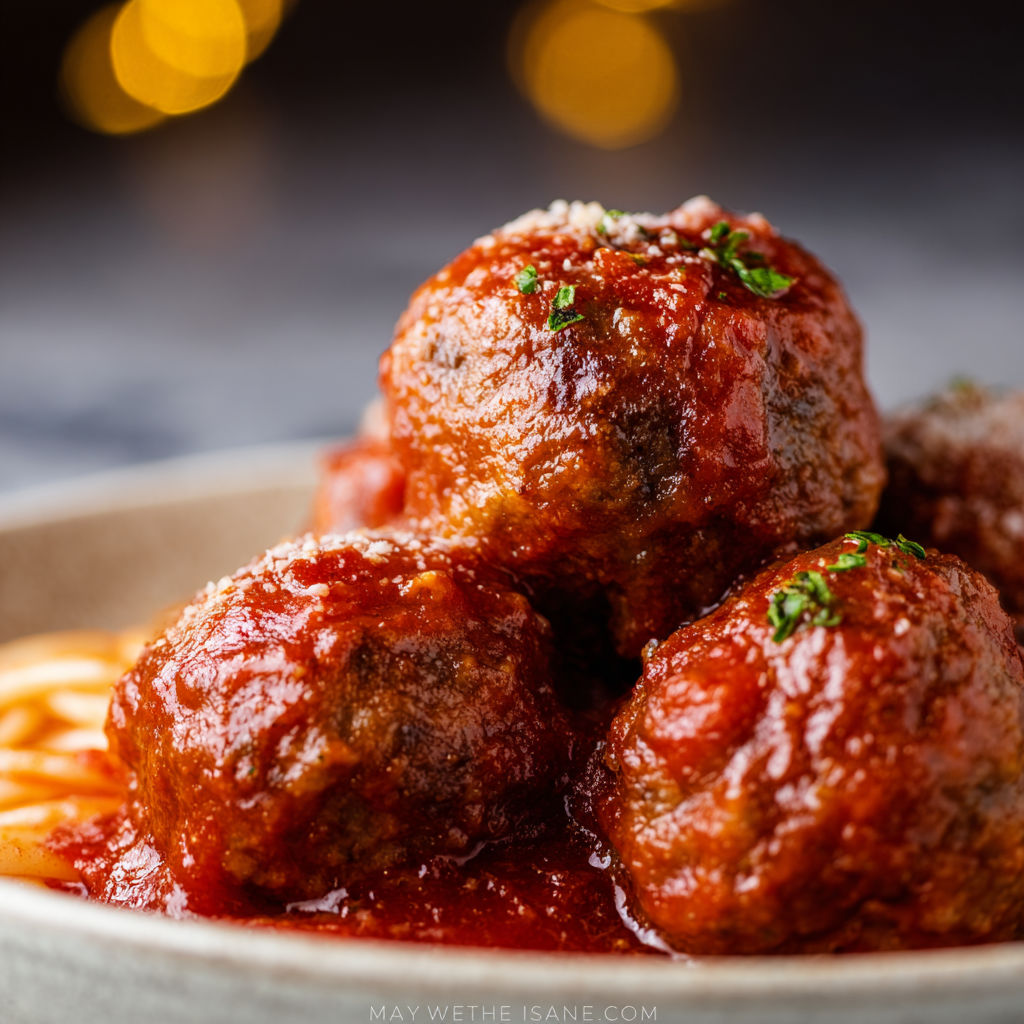
This recipe for homemade meatballs has transformed countless weeknight dinners in my kitchen and continues to be the most requested meal by everyone who walks through my door. Whether you're serving them over spaghetti for a classic Italian dinner or tucking them into sub rolls for game day, these tender, flavorful meatballs deliver every single time without fail.
I stumbled upon the perfect ratio for these meatballs after years of making dry, dense versions that my family would politely eat but never rave about. The secret turned out to be proper mixing technique and not overworking the meat, which I discovered during a particularly chaotic Sunday dinner prep when I was too distracted to overmix like I usually did.
Gather Your Ingredients
- 1 pound ground beef or turkey: This is your protein base and I always choose ground beef with 85% lean for the best flavor and moisture balance. Turkey works wonderfully if you prefer a leaner option but add an extra tablespoon of olive oil to the mixture to prevent dryness.
- 1 egg: Acts as the essential binder that holds everything together without making the meatballs tough. Always use a large egg at room temperature for better incorporation into the meat.
- 1 1/2 teaspoons dried parsley: Adds a subtle herbaceous flavor that brightens the overall taste. Fresh parsley works too but use three times the amount and chop it finely.
- 1 teaspoon dried oregano: Brings that classic Italian flavor profile we all associate with traditional meatballs. Look for Mediterranean oregano rather than Mexican varieties for authentic taste.
- 1 teaspoon garlic powder: Provides consistent garlic flavor throughout every bite without the moisture that fresh garlic can add. Choose a quality brand as cheap garlic powder can taste stale or bitter.
- 1 teaspoon onion powder: Works alongside the fresh onion to create layers of savory depth. This ensures even distribution of onion flavor in every meatball.
- ¼ teaspoon salt: Enhances all the other flavors and helps the meat proteins bind properly. I use fine sea salt but kosher salt works perfectly if that's what you have.
- ¼ teaspoon black pepper: Adds a gentle kick of heat and complexity. Freshly ground pepper makes a noticeable difference if you have a pepper mill.
- 1 small yellow onion diced small: Brings moisture, sweetness, and texture to the finished meatballs. Dice it as finely as possible so it distributes evenly and nobody bites into a large chunk.
How to Make It
- Preheat Your Oven Properly
- Set your oven temperature to 400 degrees F and allow it to fully preheat for at least 15 minutes before the meatballs go in. This ensures even cooking and proper browning on the outside while the inside cooks through completely. An oven thermometer helps verify the actual temperature since many ovens run hot or cold.
- Prepare Your Baking Surface
- Line a rimmed baking sheet with aluminum foil for the easiest cleanup or coat it generously with nonstick cooking spray if you prefer not to use foil. Make sure you use a sheet with sides because the meatballs will release some fat and juices as they cook. I learned this lesson the hard way when grease dripped into my oven and created a smoky kitchen disaster.
- Combine All Ingredients Gently
- Place the ground meat in a large mixing bowl and crack the egg directly over it. Sprinkle all the dried herbs and spices evenly across the surface, then add your finely diced onion on top. Using clean hands or a silicone spatula, gently fold and mix everything together just until the ingredients are evenly distributed throughout the meat. The key here is to avoid overworking the mixture because that develops the proteins too much and creates tough, dense meatballs instead of tender ones. Mix only until you no longer see streaks of egg or pockets of unmixed spices.
- Shape Uniform Meatballs
- Wet your hands with cool water to prevent sticking, then scoop about two tablespoons of the meat mixture for each meatball. A large cookie scoop makes this process incredibly quick and ensures all your meatballs are the same size so they cook evenly. Roll each portion between your palms to form smooth, round balls without compressing them too tightly. Place each formed meatball on your prepared baking sheet with about one inch of space between them to allow hot air to circulate and promote even browning on all sides.
- Bake Until Golden and Cooked Through
- Slide the baking sheet into your preheated oven and set a timer for 18 minutes. The meatballs are done when they're golden brown on the outside and reach an internal temperature of 160 degrees F for beef or 165 degrees F for turkey when checked with an instant read thermometer inserted into the center of the largest meatball. If they need more time, continue baking and check every 2 minutes until they reach the proper temperature. The outside should have a lovely caramelized appearance and the meatballs should feel firm when gently pressed.
- Serve Immediately or With Sauce
- Transfer the cooked meatballs to a serving platter or add them directly to your favorite marinara sauce for a few minutes to absorb those flavors. They're incredible served over any pasta shape, tucked into hoagie rolls for meatball subs, or even enjoyed on their own as an appetizer with toothpicks and dipping sauce. Let them rest for about 3 minutes before serving so the juices redistribute throughout the meat.
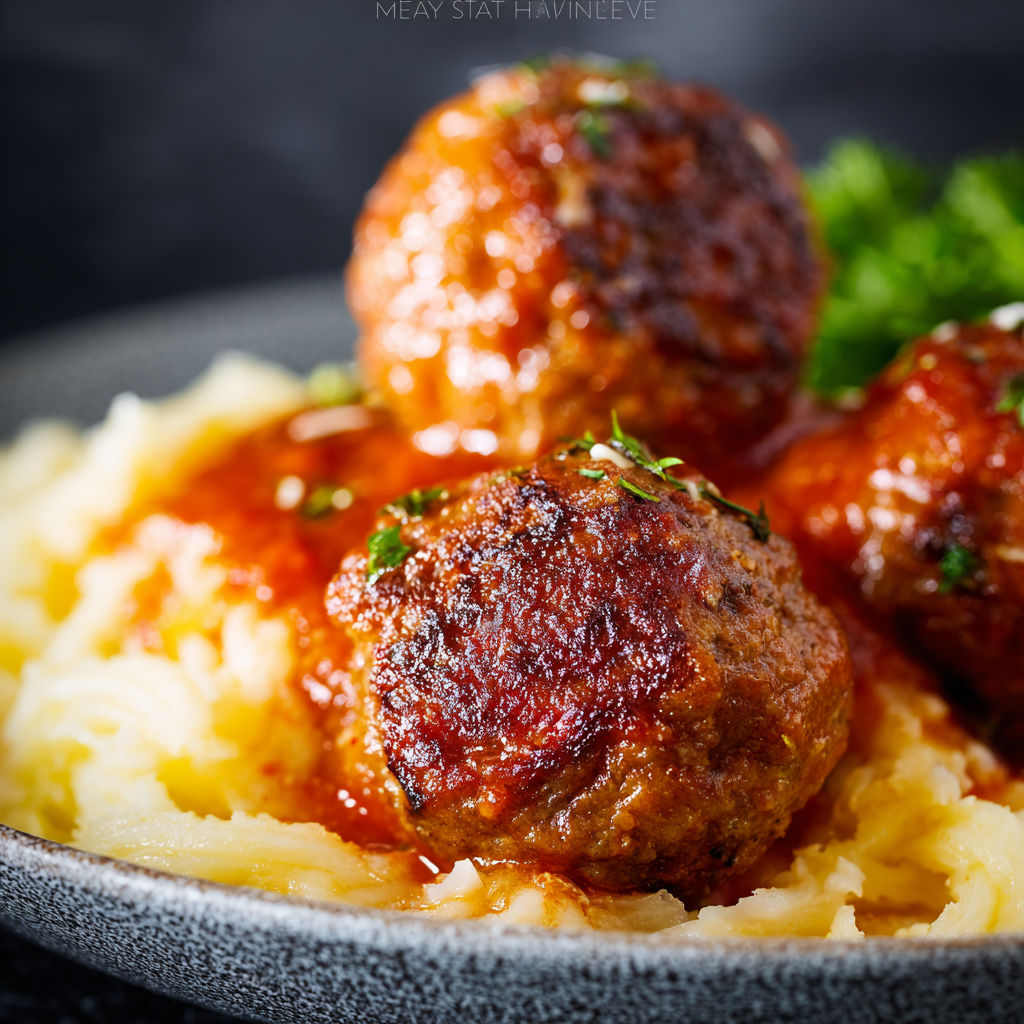
The garlic powder in this recipe has become my secret weapon because it distributes so evenly compared to fresh garlic which can sometimes burn during cooking or create inconsistent pockets of intense flavor. I remember the first time I made meatballs for my mother in law and she insisted I must have used some fancy Italian sausage because the seasoning was so well balanced. When I told her it was just the right blend of everyday dried spices, she made me write down the exact measurements right there in my kitchen.
Flavor Boosters
Ground pork can replace up to half the beef for extra richness and moisture. Many Italian grandmothers swear by a combination of beef, pork, and veal for the most tender meatballs, though I find beef alone works perfectly for everyday cooking. If you're avoiding red meat entirely, ground chicken works but needs an extra tablespoon of olive oil mixed in to prevent dryness. The breadcrumbs mentioned in the instructions but missing from the ingredients list should be about half a cup of plain dried breadcrumbs or panko. You can substitute with crushed crackers, oat flour, or even finely ground almonds for a low carb version. Soaking the breadcrumbs in a couple tablespoons of milk before adding creates incredibly tender meatballs if you have an extra five minutes. Fresh herbs can replace all the dried versions using a three to one ratio, meaning you'd need about four and a half teaspoons of fresh parsley and three teaspoons of fresh oregano. Chop them as finely as possible and add them at the same stage as the dried herbs. The diced onion can be replaced with two tablespoons of finely grated onion if you want moisture without any texture. Gluten free breadcrumbs work exactly the same as regular versions. An extra egg white can replace breadcrumbs entirely for a protein packed binder.
Serving Suggestions
While classic spaghetti and meatballs will never go out of style in my house, these versatile meatballs shine in so many other applications. Slide them into crusty sub rolls with melted provolone and marinara for incredible meatball sandwiches that rival any deli. Thread them onto skewers with bell peppers and onions for easy appetizers at your next gathering. I've served these meatballs over creamy polenta, nestled into rice bowls with roasted vegetables, and even tucked into pita bread with tzatziki sauce for a fun Mediterranean twist. My kids love them in a Swedish meatball style cream sauce over egg noodles, which sounds fancy but just means simmering them in beef broth mixed with sour cream. For parties, keep them warm in a slow cooker with your favorite sauce and provide toothpicks so guests can help themselves. They disappear faster than any other appetizer I've ever made.
Creative Twists
Leftover meatballs transform into completely different meals when you get creative. Chop them up for meatball pizza topping, slice them for sandwiches, or break them apart into pasta sauce for a heartier meat sauce. To turn this into a complete freezer meal, prepare the meatballs through the shaping step but don't bake them yet. Freeze the raw formed meatballs on a baking sheet until solid, then transfer to freezer bags with all the baking instructions written directly on the bag. When you're ready to cook them, add five extra minutes to the baking time if cooking from frozen. Alternatively, bake the meatballs completely and freeze them already cooked in your favorite sauce. This creates a dump and heat meal that goes from freezer to table in about twenty minutes. I keep several bags of these in my freezer for those evenings when cooking from scratch feels impossible but we still want a homemade meal.
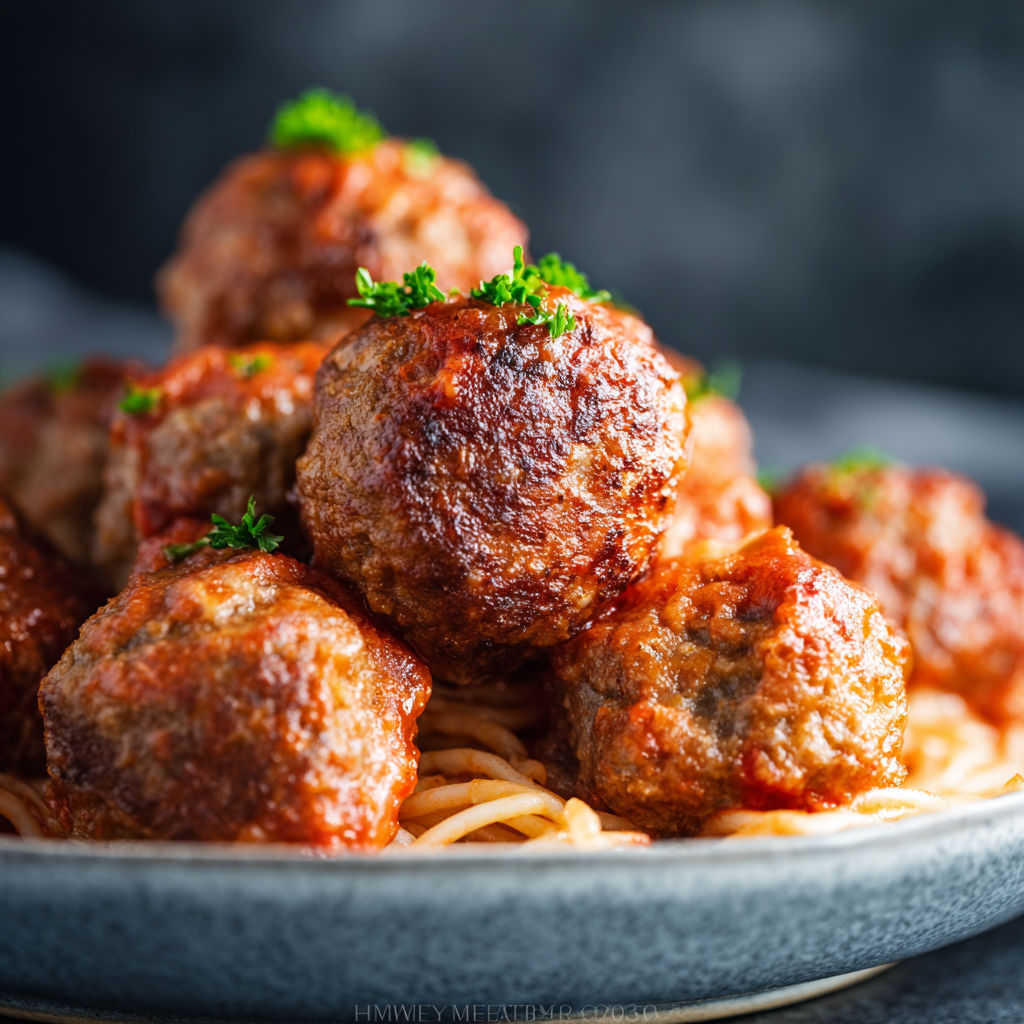
Sometimes the simplest recipes create the most unexpected converts. Whether you bake and freeze for busy nights or savor them fresh out of the oven, these homemade meatballs are pure comfort in every bite.
Common Questions About This Recipe
- → Can I use ground turkey instead of beef?
Yes, you can substitute ground turkey for beef. The result will be lighter in flavor and leaner, while still tender and flavorful with the seasonings included.
- → How do I keep meatballs moist and tender?
Combining breadcrumbs and egg into the mixture helps retain moisture. Avoid overmixing the meat so the meatballs don't become dense.
- → Can I prepare these meatballs in advance?
Absolutely. You can roll the meatballs and refrigerate them up to a day in advance or freeze them uncooked for later use, adjusting baking time as needed.
- → What sauces pair well with these meatballs?
These meatballs work well with classic tomato sauce, creamy gravies, or even a simple garlic butter for serving over pasta or rice.
- → How do I know the meatballs are cooked through?
The meatballs should be golden brown and reach an internal temperature of 165°F. Slice one open to check that the center is no longer pink.