
 Pin
Pin
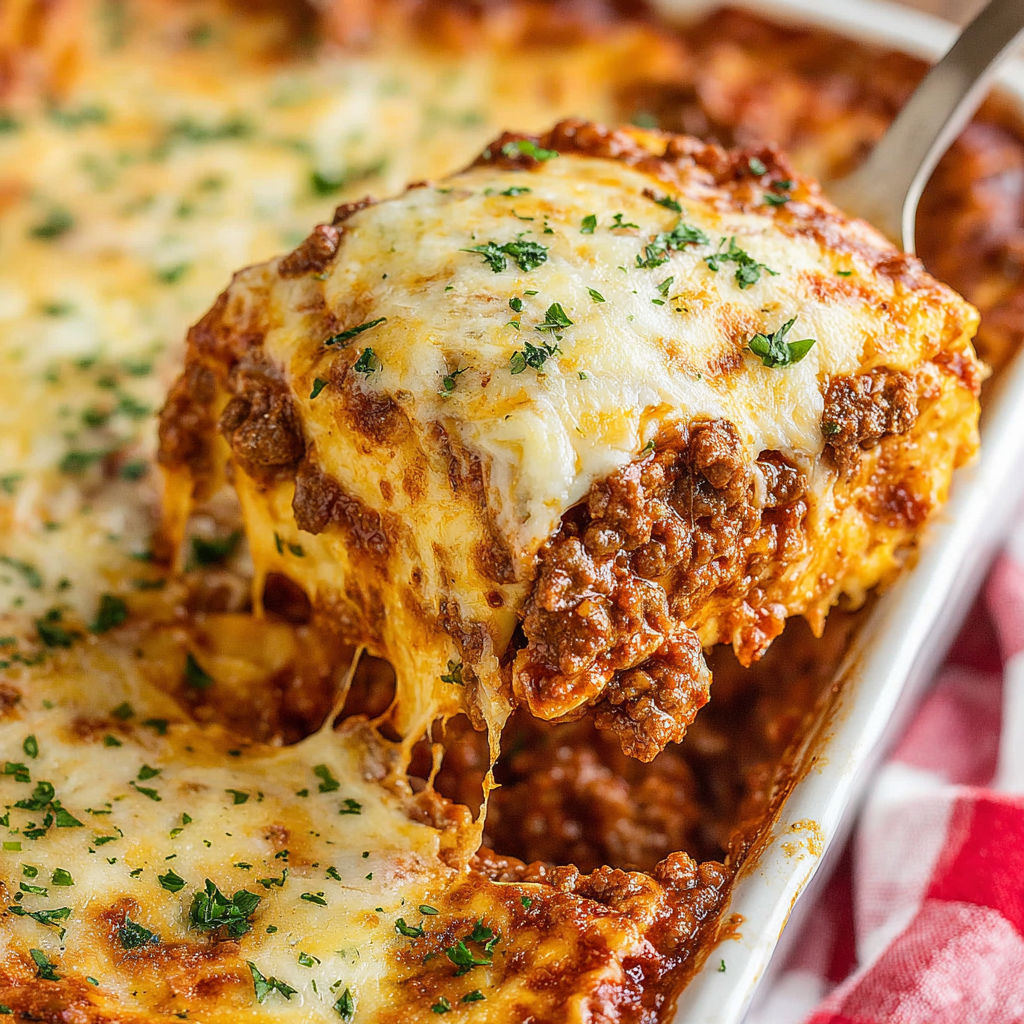
This easy lasagna using no boil noodles has transformed weeknight dinners in my house for over a decade. The secret is letting the uncooked noodles steam perfectly in the sauce while you relax instead of hovering over boiling water. What started as a time saving experiment has become my signature dish that friends request whenever we have gatherings.
I stumbled upon this method when I was making lasagna for my daughter's birthday and realized halfway through that I'd forgotten to boil the noodles. Desperate and running out of time I took a chance on the no boil approach and the result was so good that I've never gone back to the old way. My family actually prefers the texture of these noodles because they come out tender without any mushy edges.
Gather Your Ingredients
- 1 pound ground beef: Provides rich meaty flavor and substance. Look for 85/15 ratio for best balance of flavor and fat content without excess grease.
- 1 teaspoon minced garlic: Adds aromatic depth that makes the whole house smell incredible. Fresh minced is ideal but jarred works perfectly fine here.
- 48 ounces spaghetti sauce: Forms the foundation of your lasagna. Choose a quality sauce you'd enjoy eating on pasta since it really shines through. I prefer varieties with herbs and a bit of sweetness.
- 15 ounces ricotta cheese: Creates creamy luxurious layers. Whole milk ricotta gives the best texture but part skim works if you prefer. Cottage cheese is an excellent budget friendly swap.
- 3 cups shredded mozzarella cheese: Brings that classic stretchy cheese pull everyone loves. Buy blocks and shred yourself for better melting or use pre shredded for convenience.
- 2 large eggs: Bind the cheese mixture together so it slices beautifully instead of falling apart on the plate.
- 3/4 cup grated Parmesan cheese: Adds sharp salty notes that balance the richness. Authentic Parmigiano Reggiano is worth the splurge but any good quality grated Parmesan works wonderfully.
- 2 teaspoons dried parsley or 4 tablespoons fresh: Brings color and a subtle herbaceous note. Fresh is lovely but dried is perfectly acceptable and more practical.
- 1/4 teaspoon salt and 1/4 teaspoon ground pepper: Season the cheese mixture. Don't skip this as ricotta needs the seasoning boost.
- 12 lasagna noodles: The stars that make this recipe work. Standard dry lasagna noodles work beautifully here. No need to buy special no boil noodles.
- 1/4 cup water: Helps create steam for cooking the noodles. Adjust amount based on how thick your sauce is.
How to Make It
- Prepare Your Oven and Pan:
- Preheat your oven to 350 degrees Fahrenheit and give it a full 15 minutes to reach temperature for even cooking. Spray a 9 by 13 inch casserole dish generously with cooking spray covering every corner and edge. This prevents sticking and makes cleanup significantly easier. I learned this lesson after scrubbing a pan for 20 minutes after my first attempt.
- Brown the Meat:
- Place a large skillet over medium heat and add the ground beef breaking it up with a wooden spoon or spatula. Cook for 8 to 10 minutes stirring occasionally until no pink remains and the meat develops some golden brown bits. These browned pieces add tremendous flavor. Drain off any excess fat by carefully tilting the pan and spooning it out or pouring the meat into a colander. Return the meat to the skillet and add the minced garlic. Stir constantly for about 30 seconds until fragrant but not browned as garlic can turn bitter quickly.
- Simmer the Sauce:
- Pour the entire 48 ounces of spaghetti sauce into the skillet with your meat and garlic. Stir everything together thoroughly so the meat is evenly distributed throughout the sauce. Reduce heat to medium low and let this simmer gently for 5 minutes. This allows the flavors to meld together and the sauce to thicken slightly. You'll notice the raw garlic smell mellows into something much more appealing during this time.
- Mix the Cheese Filling:
- In a large bowl combine the ricotta cheese with 2 cups of the mozzarella cheese reserving that final cup for topping. Crack in the eggs and add half a cup of the Parmesan cheese saving the remaining quarter cup for later. Sprinkle in the parsley salt and pepper. Use a sturdy spoon or spatula to mix everything together vigorously until completely combined and smooth. The mixture should look creamy and cohesive not separated or lumpy. This takes about 2 minutes of good mixing.
- Start Your First Layer:
- Spread exactly three quarters of a cup of your meat sauce across the bottom of your prepared baking dish. Use the back of your spoon to spread it evenly into every corner. This sauce layer is crucial because it prevents the bottom noodles from sticking and helps them soften properly. Lay 3 uncooked lasagna noodles directly on top of the sauce. They should fit snugly side by side but don't worry if there are small gaps.
- Build the Middle Layers:
- Spread one third of your cheese mixture over the noodles using a spatula or the back of a spoon to distribute it as evenly as possible from edge to edge. It will seem like a thick layer and that's exactly right. Top the cheese with about one quarter of your remaining meat sauce spreading gently so you don't disturb the cheese layer underneath. Place 3 more uncooked noodles on top. Repeat this exact process one more time with another third of cheese mixture another quarter of sauce and 3 more noodles. You're creating beautiful layers that will steam together perfectly.
- Create the Top Layer:
- Place your final 3 noodles over the second set of layers. Spread all of your remaining meat sauce over these top noodles making sure every bit of pasta is covered. Exposed noodles won't cook properly and will end up crunchy. Sprinkle the remaining 1 cup of mozzarella cheese evenly across the top followed by the remaining quarter cup of Parmesan. Now assess your sauce consistency. If you used a thick hearty sauce pour a quarter to half cup of water around the edges of the pan letting it seep down between the noodles and the pan sides. This creates the steam needed to cook the noodles. Thinner sauces like marinara already have enough moisture so you can skip or reduce the water.
- Cover and Bake:
- Tear off a sheet of aluminum foil large enough to cover your entire pan with a bit of overhang. Spray one side generously with cooking spray. Place the foil sprayed side down directly over your lasagna pressing gently around the edges to seal. This prevents the cheese from sticking to the foil while still trapping steam inside. Transfer to your preheated 350 degree oven and bake for 50 minutes. The foil creates a steamy environment that softens the noodles while everything bubbles together beautifully.
- Finish Uncovered:
- After 50 minutes carefully remove the pan from the oven and peel back the foil. Watch out for the steam that will rush out. Return the uncovered lasagna to the oven for an additional 10 minutes. This final uncovered time allows the top cheese to turn golden brown and slightly crispy around the edges which adds wonderful texture contrast. The sauce around the edges will be bubbling vigorously when it's ready.
- Rest Before Serving:
- Remove the lasagna from the oven and let it rest on the counter for at least 15 minutes before cutting. I know this is the hardest part when it smells so incredible but this resting time allows the layers to set up so your slices hold together beautifully instead of sliding apart into a saucy mess. Use this time to make a salad or garlic bread.
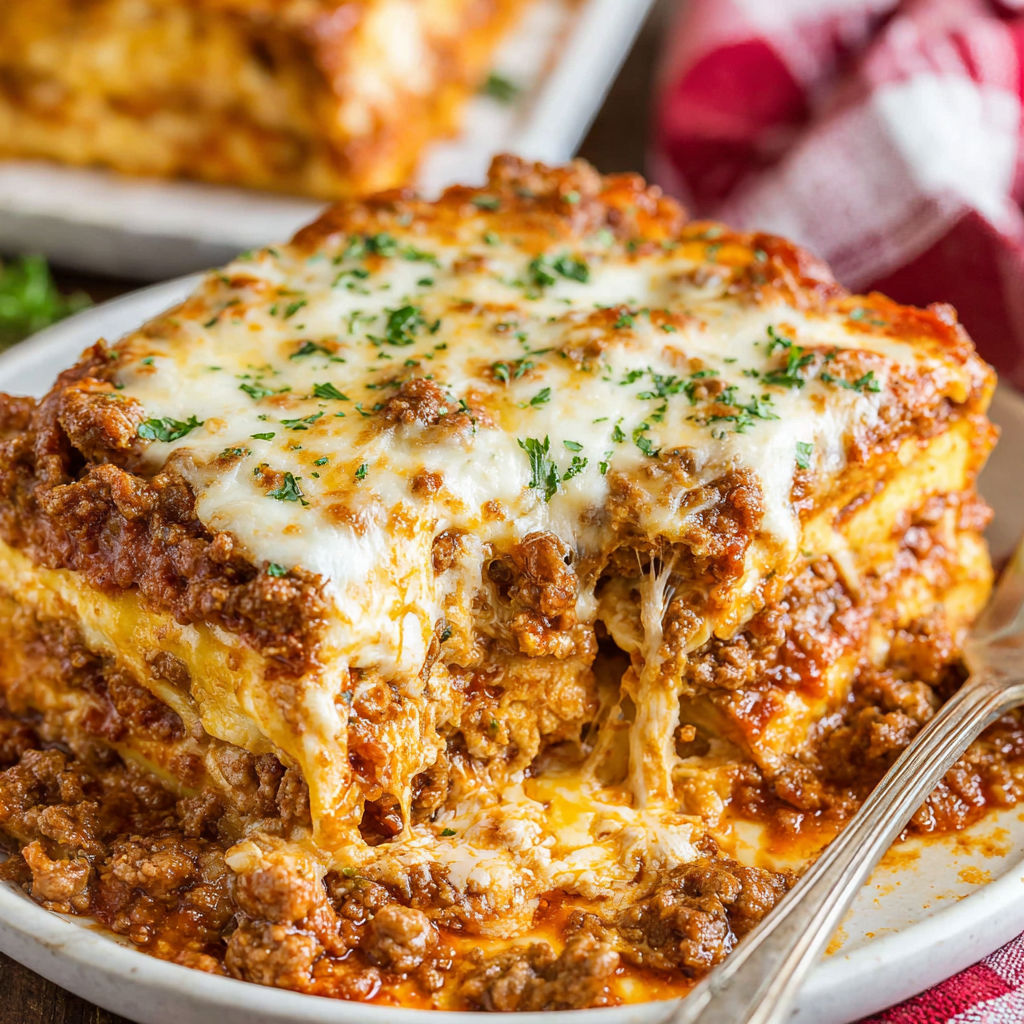
My favorite thing about this recipe is how forgiving it is with the ricotta mixture. I've made it when one of my kids distracted me and I forgot to add the eggs until after I'd already layered half the pan. I just mixed the eggs into the remaining cheese and it turned out perfectly. The beauty of lasagna is that it all bakes together into deliciousness regardless of small mistakes. This dish also holds a special place in my heart because it was the first recipe my teenage son asked to learn so he could make it for his friends.
Flavor Boosters
Lasagna is one of those miraculous dishes that stores exceptionally well and some would argue tastes even better as leftovers. Once your lasagna has cooled completely cover the entire pan tightly with plastic wrap followed by a layer of aluminum foil. This double wrapping prevents freezer burn and keeps odors from your fridge affecting the taste. Properly stored lasagna keeps beautifully in the refrigerator for up to 5 days. For reheating individual portions I prefer the microwave for speed and convenience. Place a slice on a microwave safe plate and heat on medium power for 3 to 4 minutes until heated through. The medium power prevents the edges from getting rubbery while the center stays cold. For oven reheating cover the portion with foil and warm at 350 degrees for about 20 minutes. If you're reheating the whole pan add a splash of water or extra sauce before covering with foil to prevent drying out. Leftover lasagna also makes an incredible breakfast the next morning. I slice it cold and pan fry individual pieces in a bit of butter until crispy on both sides then top with a fried egg. The combination of crispy edges creamy cheese layers and runny yolk is absolutely incredible and has converted many skeptics in my house.
Serving Suggestions
This lasagna shines as the centerpiece of any meal but benefits from accompaniments that provide contrast to its rich hearty nature. A crisp green salad with a tangy vinaigrette cuts through the richness beautifully. I dress mine simply with olive oil red wine vinegar and a pinch of salt. Garlic bread is the classic pairing though I prefer to make garlic knots which are more fun to pull apart at the table. For a heartier spread add roasted vegetables like zucchini bell peppers or Brussels sprouts seasoned simply with olive oil salt and pepper. The charred edges and lighter texture complement the creamy lasagna perfectly. A simple Caesar salad also works wonderfully as the salty anchovies and sharp Parmesan echo the flavors already present in the dish. When serving for a crowd I cut the lasagna into 12 smaller squares rather than 8 large pieces and pair it with two or three salad options and multiple bread choices. This creates an abundant spread without requiring you to make multiple main dishes. The lasagna holds at room temperature reasonably well for about 30 minutes if you're serving buffet style which makes it ideal for gatherings.
Creative Twists
Ground turkey or chicken can replace the beef for a lighter version though I recommend using 93/7 lean ratio as anything leaner tends to dry out and lack flavor. Italian sausage either sweet or spicy can substitute for half the ground beef adding extra seasoning and depth. Cottage cheese works beautifully in place of ricotta and actually costs less while providing similar texture and more protein. Any combination of melting cheeses works for the mozzarella layer including provolone Monterey Jack or Italian cheese blends. Dairy free ricotta and mozzarella alternatives create a lactose free version that's surprisingly good. Fresh spinach or other vegetables can be added between layers for extra nutrition without changing the fundamental recipe.
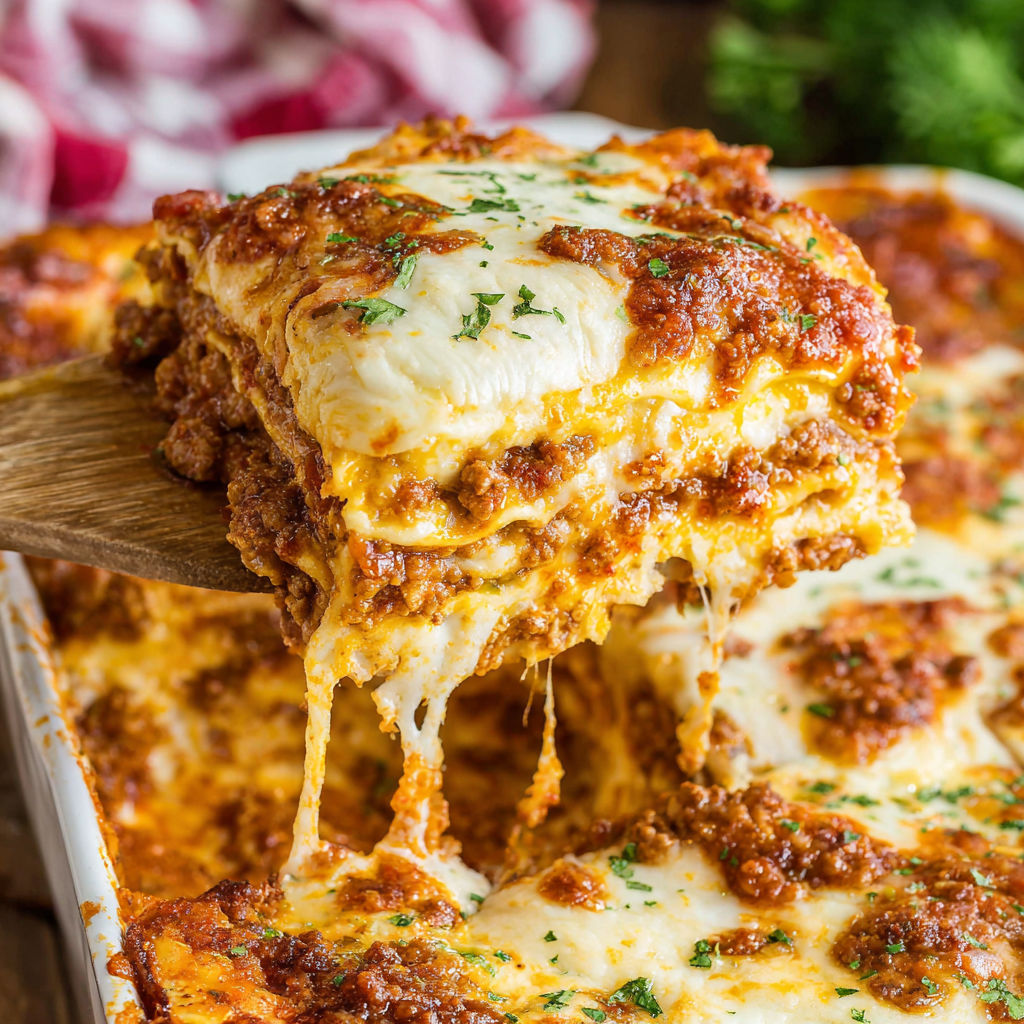
With this forgiving no boil lasagna recipe you'll impress friends and family and have delicious leftovers to look forward to. Enjoy more time at the table and less time in the kitchen.
Common Questions About This Recipe
- → Can I use cottage cheese instead of ricotta?
Yes, cottage cheese can be substituted for ricotta, providing a slightly lighter texture while maintaining creaminess in the layers.
- → Do I need to cook the lasagna noodles first?
No, regular lasagna noodles will cook in the oven alongside the sauce and cheeses, thanks to the added water and steam from baking covered.
- → Can I use homemade spaghetti sauce?
Absolutely! Homemade or favorite jarred spaghetti sauce both work well and can be adjusted to suit your preferred flavors.
- → How do I prevent the cheese from sticking to the foil?
Spray the underside of the aluminum foil with cooking spray before covering the dish. This keeps the cheese from pulling away when uncovered.
- → How should leftover lasagna be stored?
Cool leftovers, then store covered in the refrigerator for up to 3 days. Reheat individual portions in the microwave or oven before serving.