
 Pin
Pin
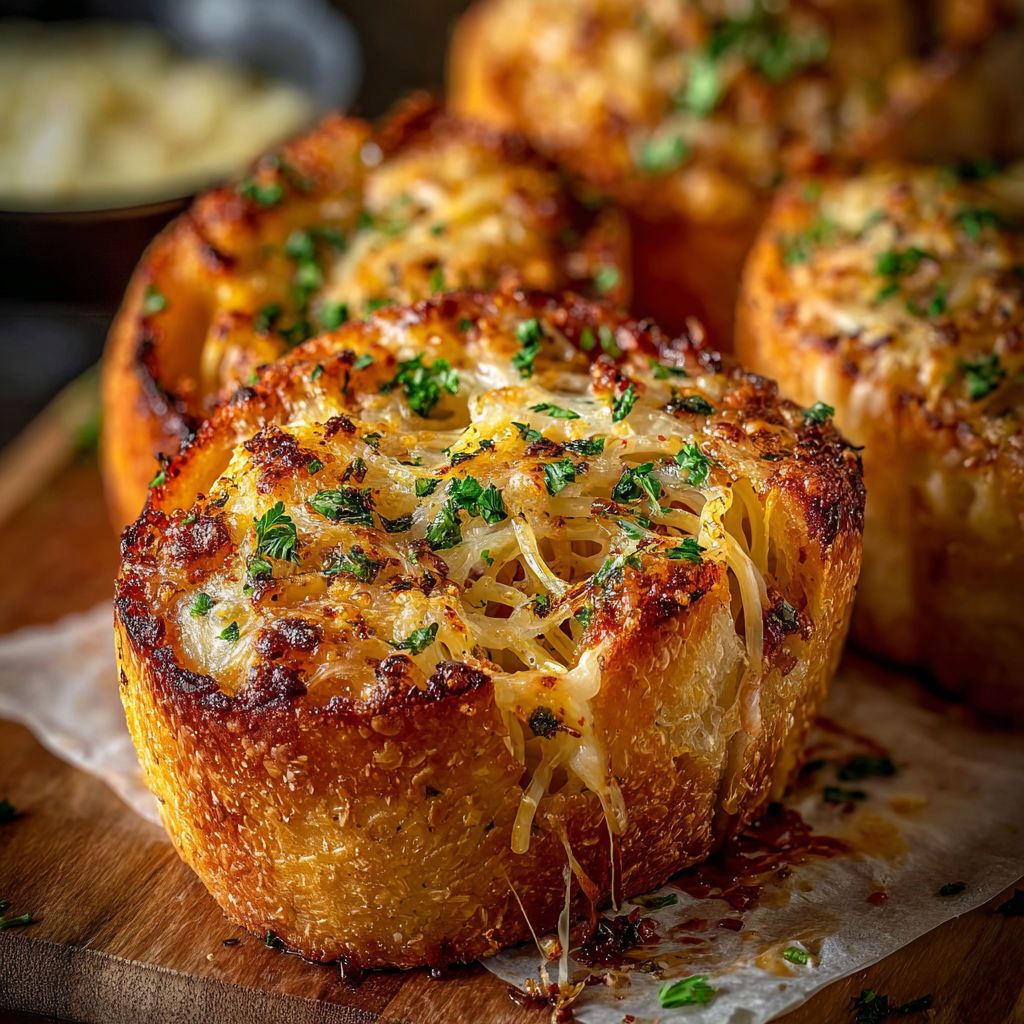
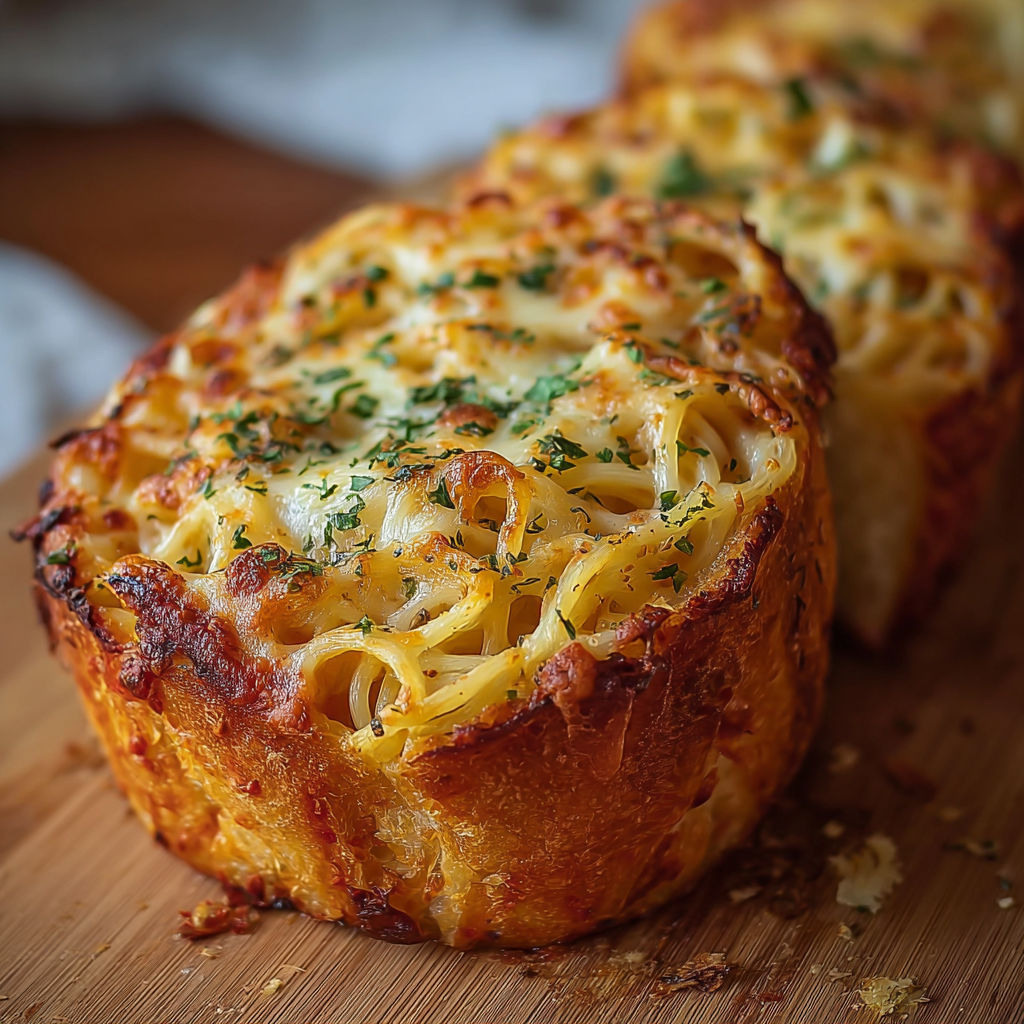
This flavorful combination of garlicky spaghetti and buttery garlic bread has become my ultimate comfort food pairing when I need something satisfying that comes together with minimal fuss. The simplicity of pasta tossed with golden garlic oil paired alongside crispy homemade garlic bread creates a meal that feels both casual and special at the same time.
I stumbled upon this pairing during a busy weeknight when I had unexpected guests drop by. I was already making aglio e olio and had some bread sitting on the counter, so I whipped up garlic bread to stretch the meal. Now my family insists I make both together every single time because they complement each other so perfectly.
Gather Your Ingredients
- 1 pound spaghetti: Choose bronze cut pasta if you can find it as the rough texture helps the garlic oil cling better to each strand
- 4 quarts water: Using plenty of water prevents the pasta from sticking and ensures even cooking throughout
- 2 tablespoons salt plus more to taste: This seasons the pasta from within and the water should taste like the sea
- 1/4 cup olive oil: Invest in good quality extra virgin olive oil since it's the base of your sauce and the flavor really shines through
- 6 cloves garlic minced: Fresh garlic is essential here so skip the jarred stuff and look for firm heads with no green shoots
- 1/2 teaspoon red pepper flakes optional: Adds a gentle warmth without overwhelming heat so adjust based on your preference
- 1/4 cup chopped fresh parsley: The bright herbaceous notes cut through the richness so use flat leaf Italian parsley for best flavor
- Salt and freshly ground black pepper to taste: Freshly cracked pepper makes a noticeable difference in the final dish
- 1 loaf Italian bread about 24 inches long: Look for a crusty exterior and soft interior at your local bakery for best results
- 1 cup unsalted butter softened: Butter at room temperature spreads easily and blends smoothly with the other ingredients
- 8 cloves garlic minced: Yes more garlic because garlic bread deserves an assertive garlic presence
- 1/4 cup chopped fresh parsley: Adds color and freshness to balance the rich butter
- 1/4 cup grated Parmesan cheese: Use freshly grated Parmigiano Reggiano rather than the pre shredded kind for superior flavor
- 1/4 teaspoon garlic powder optional: Intensifies the garlic flavor if you want an extra punch
How to Make It
- Boil the Pasta Water:
- In a large pot bring 4 quarts of water to a rolling boil over high heat then add 2 tablespoons of salt. The water needs to be at a vigorous boil before adding the pasta so you see large bubbles breaking the surface consistently. This high heat ensures the pasta cooks evenly and doesn't become gummy or stick together in clumps.
- Cook and Drain the Spaghetti:
- Add the spaghetti to the boiling water and cook according to package directions until al dente which usually takes about 8 to 10 minutes. Stir occasionally during the first few minutes to prevent sticking. Before draining reserve at least 1 cup of the starchy pasta cooking water as this will help create a silky sauce later. Drain the spaghetti in a colander but do not rinse it because you want to keep that surface starch.
- Create the Garlic Oil Base:
- While the spaghetti is cooking heat the olive oil in a large skillet over medium heat for about 1 minute until it shimmers but does not smoke. Add the minced garlic and red pepper flakes if using. Sauté for 1 to 2 minutes stirring constantly with a wooden spoon until the garlic becomes fragrant and turns a very light golden color. Watch carefully because garlic can burn quickly and turn bitter so keep the heat at medium and never walk away during this step.
- Combine Pasta with Garlic Oil:
- Add the drained spaghetti directly to the skillet with the garlic oil and toss vigorously using tongs to coat every strand. Pour in about 1/2 cup of the reserved pasta water and toss again while the pan is still over medium heat. The starchy water will emulsify with the oil creating a light coating that clings to the pasta. Add more pasta water one tablespoon at a time tossing between additions until you achieve a glossy silky consistency that coats the pasta without pooling at the bottom.
- Finish the Spaghetti:
- Stir in the chopped fresh parsley and grated Parmesan cheese while tossing continuously. Season with salt and pepper to taste remembering that Parmesan adds saltiness so taste before adding more salt. Toss until the cheese melts completely and creates a creamy sauce that binds everything together. Remove from heat and keep warm while you prepare the garlic bread.
- Make the Garlic Butter Mixture:
- In a medium bowl combine the softened butter with minced garlic, chopped fresh parsley, grated Parmesan cheese, and garlic powder if using. Season with a good pinch of salt and several grinds of black pepper. Mix well using a fork or spatula until all ingredients are evenly distributed throughout the butter and the mixture is light and fluffy. The butter should be soft enough to spread easily but not melted.
- Prepare the Bread:
- Slice the Italian bread lengthwise down the middle creating two long halves with the cut sides facing up. Use a serrated bread knife and a gentle sawing motion to avoid squashing the loaf. If your bread is particularly thick you can hollow out some of the interior crumb to create more surface area for the butter.
- Apply Garlic Butter:
- Generously spread the garlic butter mixture over the cut sides of both bread halves using an offset spatula or butter knife. Make sure to spread it all the way to the edges and get into any nooks and crannies. Don't be shy with the butter as this is what creates that irresistible golden crust and rich flavor. You want an even layer about 1/4 inch thick covering the entire surface.
- Preheat and Bake:
- Preheat your oven to 375 degrees Fahrenheit which gives you the perfect balance of melting the butter and toasting the bread without burning. Place the garlic bread halves on a baking sheet with the cut side facing up. Bake for 10 to 12 minutes checking at the 10 minute mark. The bread is ready when it turns golden brown and the garlic butter is melted bubbling and fragrant throughout your kitchen.
- Broil for Crispiness:
- For extra crispy garlic bread switch your oven to broil for the last 1 to 2 minutes of cooking. Move the rack to the upper third of the oven if needed so the bread sits about 4 inches from the heating element. Watch very carefully during this step as the bread can go from perfectly golden to burnt in mere seconds. The edges should become deeply golden and slightly crispy.
- Cool and Slice Bread:
- Remove the garlic bread from the oven using oven mitts and let it cool on the baking sheet for 2 to 3 minutes before slicing. This brief resting period allows the butter to set slightly making the bread easier to cut and less messy to eat. Use a serrated knife to slice the bread into individual pieces about 2 inches wide cutting straight down with a sawing motion.
- Plate the Spaghetti:
- Divide the spaghetti among individual plates using tongs to twirl it into neat portions. This creates an attractive presentation and makes it easier to eat. If the pasta has cooled too much you can return it briefly to the warm skillet with a splash more pasta water to revive it.
- Add Final Touches:
- Sprinkle extra grated Parmesan cheese over the plated spaghetti along with a pinch of fresh parsley if desired. These finishing touches add visual appeal and allow each person to customize their portion. A final crack of black pepper on top adds both flavor and an elegant look.
- Serve Immediately:
- Serve the spaghetti immediately with the warm garlicky bread on the side. The contrast between the silky pasta and crispy buttery bread is what makes this pairing so memorable. Encourage everyone to tear off pieces of bread to soak up any garlic oil left on their plates.
My favorite part of this dish is actually the garlic itself because I've learned over the years that the key to perfect garlic flavor is never letting it brown too much in the beginning. I once made the mistake of answering the phone while sautéing the garlic and came back to find it dark and bitter which ruined the entire batch. Now I treat those first few minutes of cooking garlic with the same attention I'd give to any other crucial cooking technique. My teenagers have become garlic bread connoisseurs and they can actually tell when I've nailed that perfect golden color versus when I've let it go even thirty seconds too long.
Flavor Boosters
The garlic butter mixture itself keeps beautifully in the fridge for up to one week or frozen for up to three months. Thaw frozen garlic butter overnight in the refrigerator before spreading on bread. You can also freeze baked garlic bread slices individually and reheat them straight from frozen. Adjust the amount of red pepper flakes based on the weather as I tend to use more during winter for extra warmth. Fresh herbs change with the seasons so try oregano in summer or sage in fall. The garlic bread can be topped with seasonal ingredients like sun dried tomatoes or caramelized onions.
Serving Suggestions
This meal stands beautifully on its own but I love adding a simple arugula salad dressed with lemon juice and olive oil to cut through the richness. The peppery greens and bright citrus provide a refreshing contrast that makes the whole meal feel more balanced. For a heartier version you can add protein directly to the pasta such as grilled chicken, sautéed shrimp, or even crispy pancetta. I sometimes toss in halved cherry tomatoes during the last minute of cooking which burst and create little pockets of sweet acidity throughout the dish. Serve this family style by placing the whole plated spaghetti portions on a large platter surrounded by garlic bread pieces.
Creative Twists
If you don't have spaghetti on hand any long pasta works beautifully in this recipe including linguine, bucatini, or even fettuccine. No Italian bread available means you can substitute French bread, ciabatta, or even a sturdy sourdough loaf. For a dairy free version replace the butter with olive oil or vegan butter substitute and skip the Parmesan or use a plant based alternative. Fresh garlic can be replaced with granulated garlic in a pinch using about 1 teaspoon for every 3 cloves. Whole wheat or legume based pasta adds extra fiber and protein without changing the cooking method. During summer months toss in fresh cherry tomatoes and basil for a lighter, garden fresh version. For fall or winter, consider roasted butternut squash, sautéed mushrooms, or wilted spinach for extra nutrition and comfort.
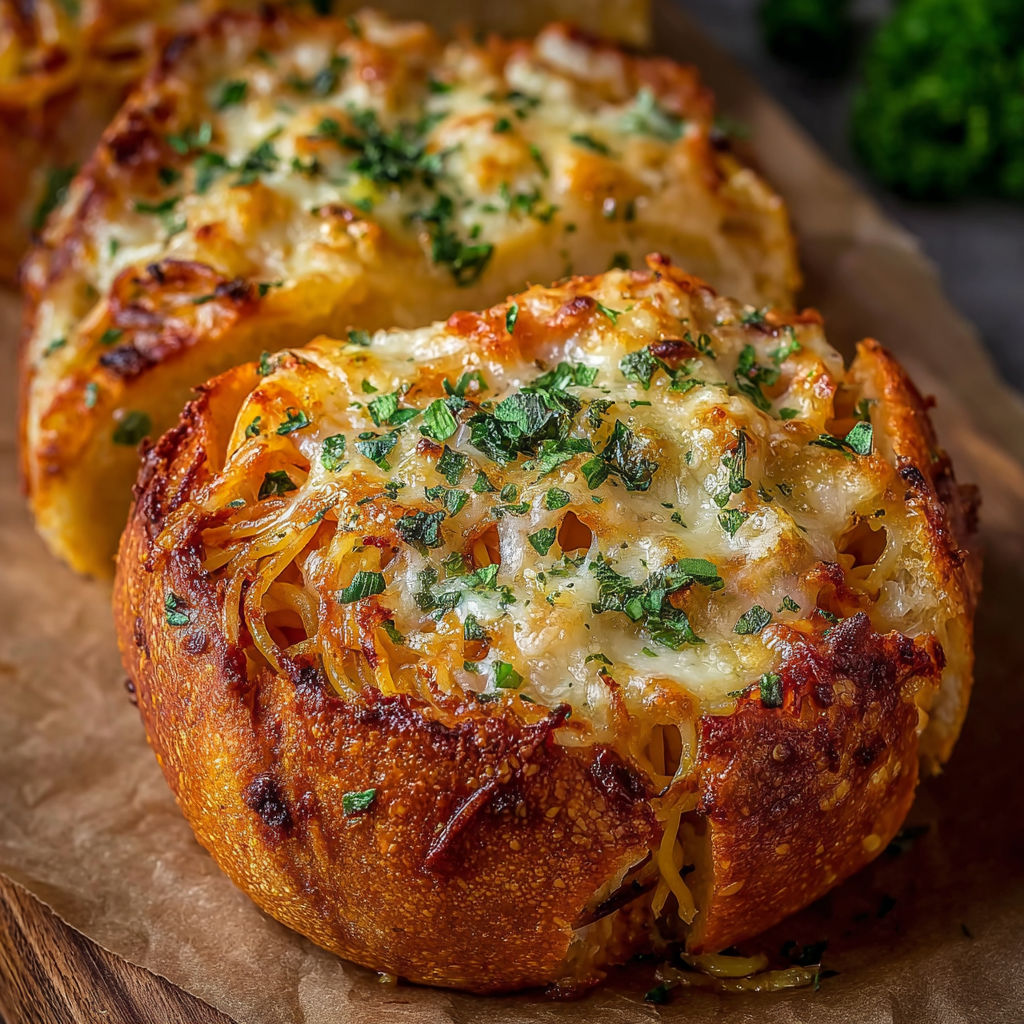
This dish celebrates the heart of Italian American home cooking—practical, comforting, and endlessly adaptable. Whether enjoyed during a busy weeknight or served for a special gathering, spaghetti and garlic bread are sure to bring smiles to the table every time.
Common Questions About This Recipe
- → Can I use whole wheat spaghetti?
Yes, whole wheat spaghetti can be substituted for a nuttier flavor and added fiber. Cook according to package instructions and proceed as directed.
- → What type of bread works best?
A classic Italian loaf around 24 inches long provides the best texture and holds the garlic butter well. Baguettes or ciabatta can also be used.
- → How do I make the garlic bread extra crispy?
After baking, broil the garlic bread for 1-2 minutes until the top is golden and crisp. Watch closely to prevent burning.
- → Can I prepare the garlic butter in advance?
Absolutely. The garlic butter mixture can be made ahead and refrigerated for up to 3 days. Bring to room temperature before spreading on the bread.
- → Is it possible to add more cheese?
Yes, feel free to sprinkle extra grated Parmesan or mozzarella over the bread before baking for a richer, cheesier finish.
- → What herbs pair well with this dish?
Fresh parsley is recommended, but basil or oregano can also be added to taste for enhanced aroma and flavor complexity.