
 Pin
Pin
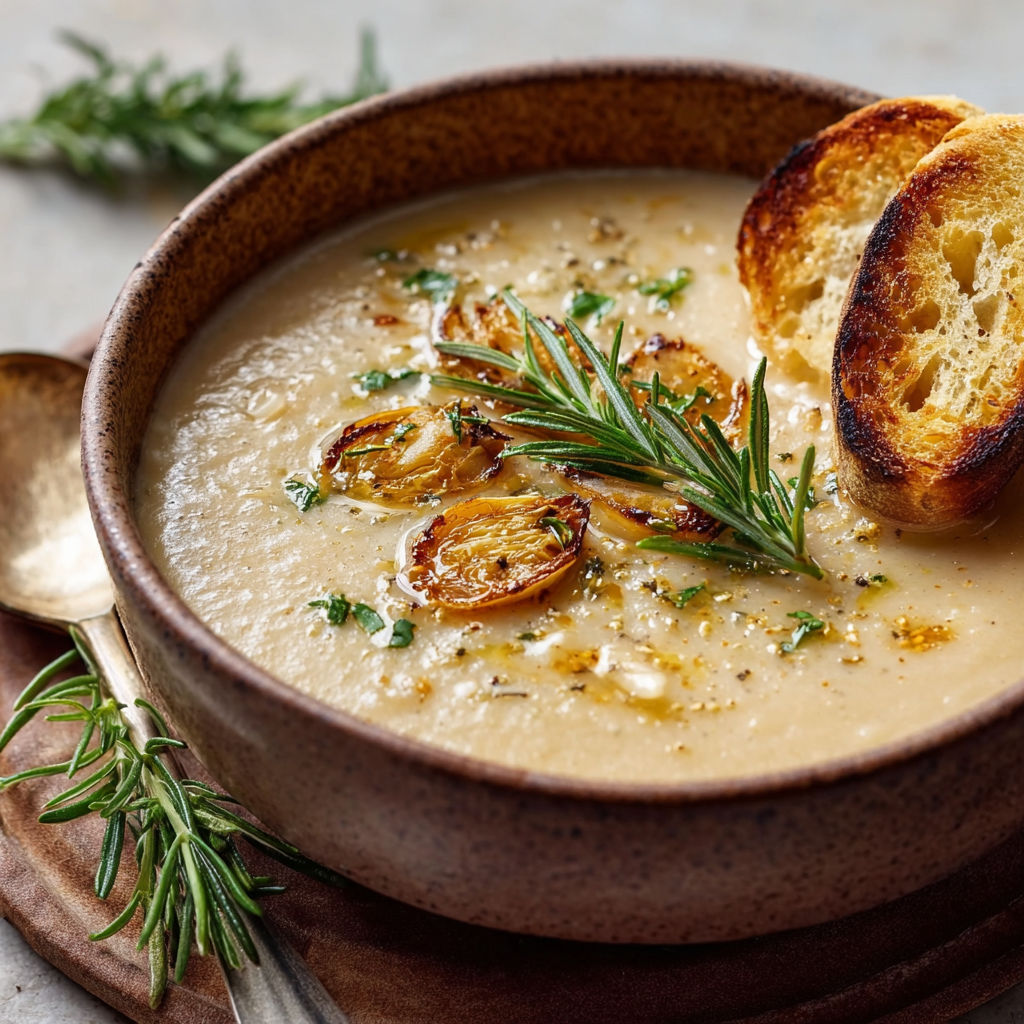
If you crave a bowl of something creamy, fragrant, and soul-satisfying, this Rosemary and Roasted Garlic White Bean Soup absolutely deserves a spot in your kitchen rotation. It's the kind of recipe that tastes like hours of slow-simmering, yet comes together with simple, wholesome ingredients. The deep sweetness of roasted garlic, the piney aroma of rosemary, and the luxurious texture of cannellini beans meld into a soup that's hearty enough for a meal but elegant enough for entertaining. Whether you're feeding a family or warming up a solo evening, this is true comfort in a bowl.
I first made this soup on a rainy Sunday when I was craving something warm and nourishing but didn't want to spend hours in the kitchen. The roasted garlic filled my home with the most incredible aroma, and when I took that first spoonful, I knew this would become a regular on my table. Now I make a double batch every few weeks because my partner requests it constantly.
Gather Your Ingredients
- Olive oil: Gives the soup its silky foundation and helps extract maximum flavor from the veggies and herbs. Choose a quality extra virgin variety for the best taste, especially since you'll use it for finishing the soup too.
- Whole head of garlic: The star of the show that transforms into sweet, caramelized perfection when roasted. Look for heads that feel firm and heavy with tight, papery skins and no green shoots.
- Yellow onion: Adds natural sweetness and body to the soup base. A medium-sized onion works perfectly here and provides that essential savory backbone.
- Celery stalks: Brings subtle earthiness and aromatics that round out the vegetable base. Fresh, crisp stalks with bright green leaves are your best bet.
- Fresh rosemary: Provides that signature herbal aroma and warmth. Fresh is ideal for extra vibrance, though dried works in a pinch at about one-third the amount.
- Cannellini beans: These creamy beans thicken the soup naturally and add protein. Canned beans are perfectly fine here since you're blending them anyway, just be sure to drain and rinse them well.
- Low-sodium vegetable broth: Lets the flavors of the beans and garlic shine without being overpowering. Using low-sodium gives you control over the final seasoning.
- Bay leaf: Infuses the broth with a gentle, earthy complexity that you can't quite put your finger on but would definitely miss if it wasn't there.
- Black pepper: Adds just enough subtle heat and depth without overwhelming the delicate flavors.
- Optional toppings: Croutons, fresh parsley, and a finishing drizzle of olive oil dress it up for crunch, color, and a touch of luxury.
How to Make It
- Roast the Garlic:
- Preheat your oven to 400°F and let it come to full temperature while you prep. Grab a whole head of garlic and use a sharp knife to slice off the very top, about a quarter inch down, so the individual cloves are exposed but still held together by the papery skin. Place it cut side up on a piece of aluminum foil large enough to wrap it completely. Drizzle with a teaspoon of olive oil, making sure it seeps into all those exposed cloves. Wrap it up snugly, creating a little foil packet that will trap the steam and help the garlic roast evenly. Pop it in the oven for 35 to 40 minutes until the cloves are irresistibly soft, sweet, and golden brown. You'll know it's ready when you can easily pierce the cloves with a fork and they feel completely tender. This step is mostly hands-off but makes all the difference in building that unique, mellow, caramelized garlic flavor that sets this soup apart from any other white bean soup you've tried.
- Sauté Onion and Celery:
- While the garlic works its magic in the oven, place a large, heavy-bottomed pot or Dutch oven on your stovetop and add about two tablespoons of olive oil. Heat it over medium heat for about a minute until it shimmers but doesn't smoke. Add your chopped onion and celery, making sure the pieces are roughly the same size so they cook evenly. Stir them around to coat everything in that olive oil, then let them cook for about 5 to 7 minutes, stirring occasionally. You want them softened and fragrant, with the onion turning translucent and just starting to pick up a hint of golden color around the edges. Don't rush this part or crank up the heat to speed things along. A gentle sauté brings out the vegetables' natural sweetness and creates a savory foundation that makes the entire soup taste richer and more developed. Listen for a gentle sizzle and watch for steam rising from the pot, that's how you know you're doing it right.
- Add Roasted Garlic and Rosemary:
- Once the garlic is cool enough to handle without burning your fingers, unwrap it from the foil and hold it over your pot of sautéed vegetables. Give it a gentle squeeze from the bottom, and watch as those luscious, jammy cloves pop right out of their papery skins and straight into the pot. Use a wooden spoon to break them up a bit and spread them around. Sprinkle in your chopped fresh rosemary, about a tablespoon's worth if you love herbs or a bit less if you prefer subtlety. Give everything a quick stir for 1 to 2 minutes, just until your entire kitchen is filled with the most intoxicating aroma of sweet garlic and piney rosemary mingling together. This is the moment where your soup really begins to come alive, and you'll understand why roasting that garlic was absolutely worth the wait.
- Simmer with Beans and Broth:
- Now it's time to build the body of your soup. Add your drained and rinsed cannellini beans to the pot, followed by four cups of low-sodium vegetable broth. Toss in a bay leaf, and season with about a teaspoon of salt and half a teaspoon of freshly cracked black pepper to start. You can always adjust later, but this gives you a solid base. Stir everything together so the beans are submerged and the seasonings are distributed. Turn the heat up to medium high and bring the whole mixture to a gentle boil, you'll see bubbles breaking the surface regularly. Once it reaches a boil, reduce the heat to low so it maintains a steady, gentle simmer. Let it cook, uncovered, for about 20 minutes. This simmering time is crucial because it allows all those flavors to mingle and deepen, with the rosemary infusing into the broth and the beans softening even more. Stir occasionally to make sure nothing sticks to the bottom, and watch as your soup transforms from a pot of separate ingredients into a cohesive, aromatic, deeply flavorful creation.
- Blend to Creamy Perfection:
- After your soup has simmered and the flavors have melded beautifully, remove the bay leaf and discard it. Now comes the fun part that transforms this from a chunky bean soup into a luscious, creamy bowl of comfort. If you have an immersion blender, stick it right into the pot and blend until the soup reaches your desired consistency. I like to blend about three-quarters of it completely smooth, leaving some texture and a few whole beans for visual interest and a more rustic feel. If you prefer it completely velvety, blend away until it's silky smooth. No immersion blender? No problem. Carefully ladle the hot soup in batches into a regular countertop blender, filling it only halfway to leave room for steam expansion. Hold the lid down with a folded kitchen towel to prevent any hot liquid from escaping, and pulse a few times before blending on low, then increase to high. Blend each batch until smooth, then pour it into a clean pot or large bowl. Once everything is blended, return it all to the pot if needed and give it a good stir.
- Brighten and Serve:
- Taste your soup now and adjust the seasoning as needed. Sometimes it needs an extra pinch of salt or a few more grinds of black pepper to really make all those flavors pop. If the soup seems too thick after blending, which can happen since the beans act as a natural thickener, add a splash of vegetable broth or water and stir until you reach your ideal consistency. It should be thick enough to coat the back of a spoon but still flow easily when you ladle it. For serving, warm your bowls if you have time because it keeps the soup hotter longer. Ladle generous portions into each bowl, then finish with your favorite toppings. A drizzle of your best olive oil adds richness and sheen, a sprinkle of fresh chopped parsley brings color and freshness, and homemade or store-bought croutons provide that satisfying crunch. This is your moment to make the soup look as incredible as it tastes.
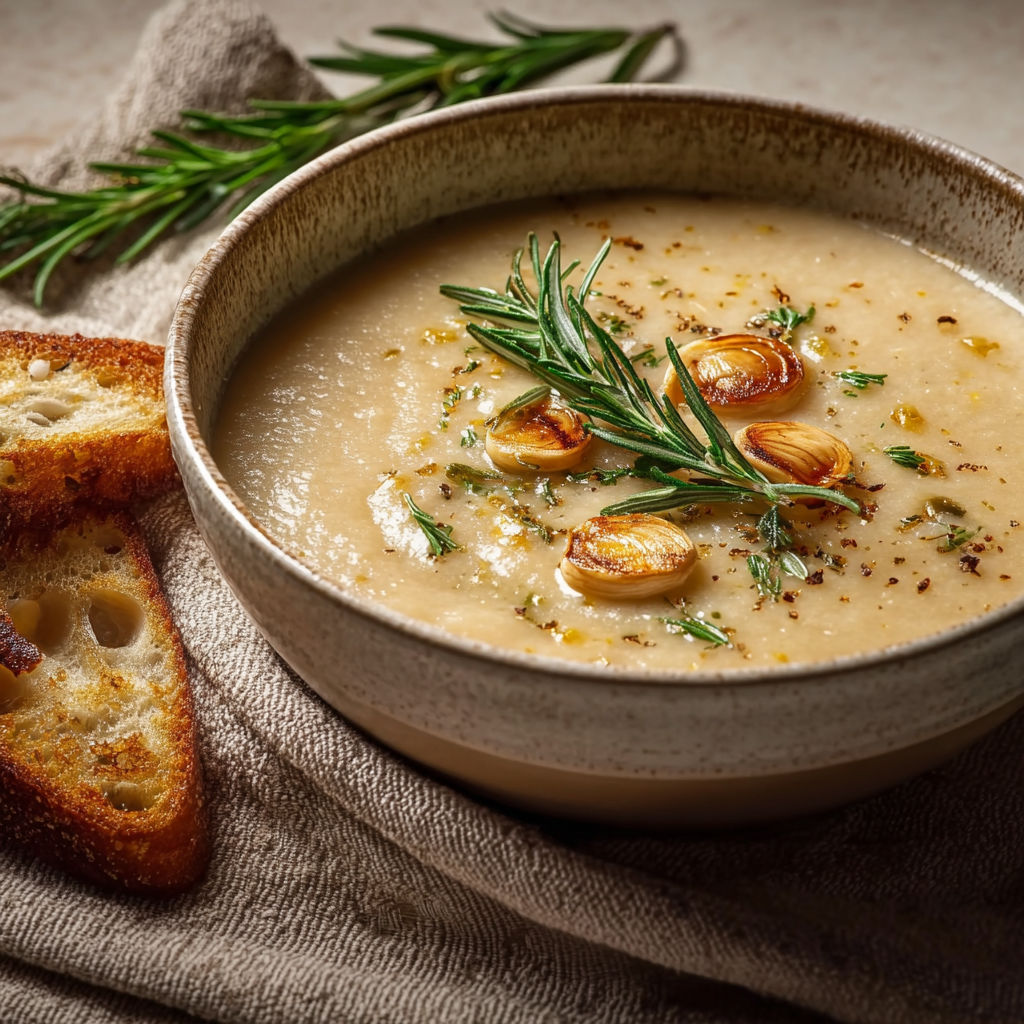
The roasted garlic in this soup is truly something special. I used to think raw garlic was the only way to get that bold, punchy flavor, but roasting it completely changes the game. It becomes sweet, almost nutty, and loses all that harsh bite while still giving you all the health benefits. The first time I made this for my mother-in-law, who claimed she didn't like white bean soup, she had two bowls and asked for the recipe before she left. That's when I knew this wasn't just another soup recipe, it was something worth sharing with everyone I know.
Flavor Boosters
To enhance this soup's aromatic profile, don't hesitate to finish with extra fresh herbs or a swirl of infused olive oil. Try adding a sprinkle of smoked paprika, toasted pine nuts, or a little lemon zest on top for brightness and even more complexity.
Serving Suggestions
This Rosemary and Roasted Garlic White Bean Soup is substantial enough to stand alone as a light lunch or dinner, but pairing it with the right sides elevates it into a complete, memorable meal. Crusty artisan bread or warm focaccia is my go-to choice for dunking and soaking up every last creamy drop. The contrast between the soft, velvety soup and the crispy, chewy bread is absolutely perfect. A simple green salad with a lemony vinaigrette balances the soup's richness and adds a fresh, bright element to the plate. For a heartier meal, serve it alongside roasted seasonal vegetables like Brussels sprouts, carrots, or butternut squash. The caramelized edges on roasted veggies echo the sweet depth of the roasted garlic and make the whole meal feel cozy and complete.
Creative Twists
This soup is wonderfully flexible for any occasion. Try serving in hollowed-out bread bowls for a fun and impressive presentation, or use leftovers as a pasta sauce. For a light summer twist, blend until extra smooth and chill well, then serve cold with a dollop of pesto and a squeeze of lemon juice.
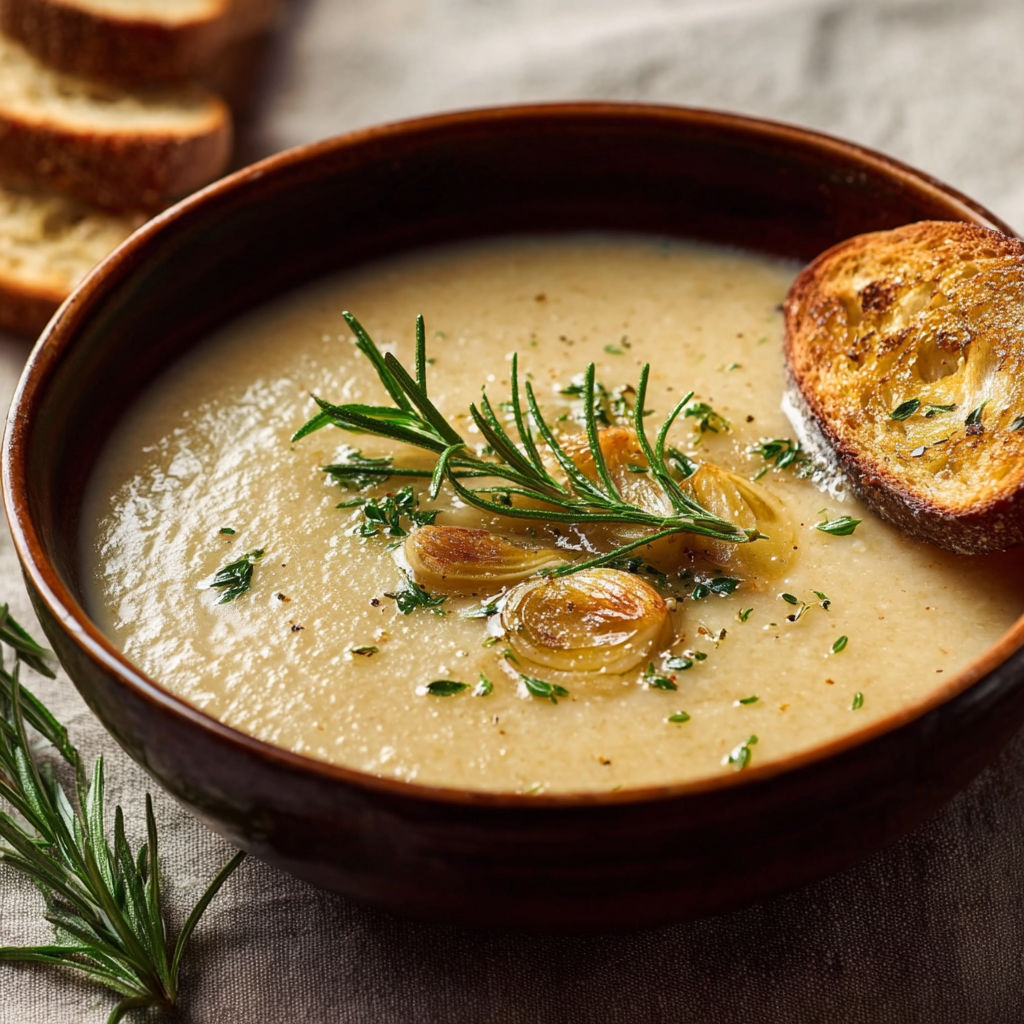
However you serve it, let each bowl shine with a drizzle of great olive oil and something fresh on top for a final touch. This soup brings comfort and sophistication to your table every time.
Common Questions About This Recipe
- → Can I use dried beans instead of canned?
Yes, but soak and cook dried beans in advance until tender before proceeding with the dish. This adds flavor, though prep time is longer.
- → Is it possible to make this soup oil-free?
Absolutely. Sauté vegetables in a splash of vegetable broth and omit finishing oil. The beans and roasted garlic keep it creamy.
- → What if I don’t have an immersion blender?
You can carefully blend batches in a standard blender. Let some steam escape so soup doesn’t overflow while blending.
- → Can I add extra greens or vegetables?
Definitely. Stir in spinach, kale, or carrots during the final simmer for color, nutrition, and added flavor.
- → How can I make this soup spicy?
Add red pepper flakes with the rosemary or finish with a drizzle of chili oil to give the soup a pleasant kick.