
 Pin
Pin
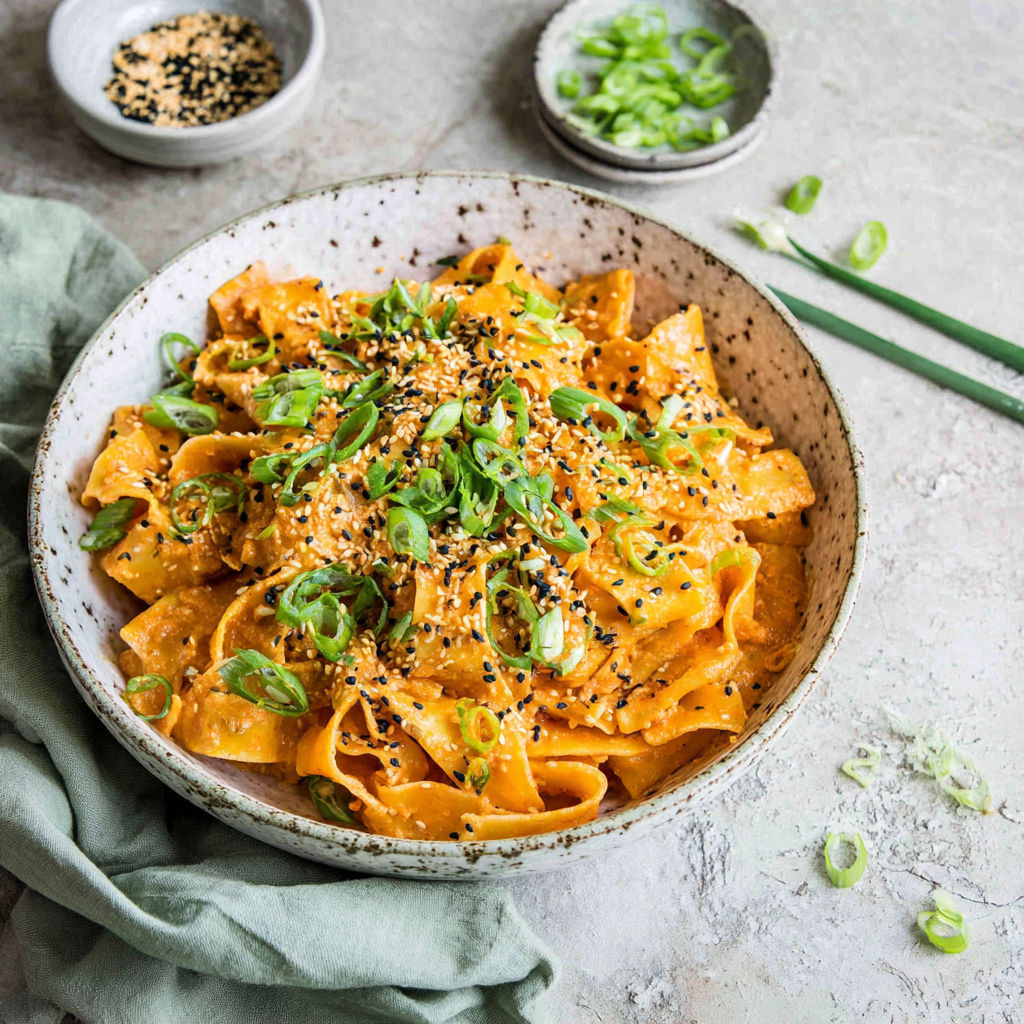
This creamy and spicy gochujang pasta combines Korean heat with Italian comfort, making it perfect for weeknight dinners or casual gatherings. The rich cream cheese balances the fiery gochujang paste, creating a sauce that clings beautifully to rigatoni—or any pasta you prefer. It’s a unique twist that took me by surprise the first time I made it, and now it’s a go-to when I want something quick but impressive. Everyone who tries it asks for the recipe.
I started making this dish when craving something spicy but creamy. It won me over instantly and became a favorite for friends when I hosted pasta nights.
Gather Your Ingredients
- Olive oil: for gentle sautéing of garlic& choose extra virgin for best flavor
- Garlic cloves: provide aromatic depth& use fresh and finely minced
- Water: to cook pasta directly in the sauce base and develop flavor
- Beef stock cube: adds savory richness& opt for a good quality brand
- Salt: essential to enhance all flavors
- Rigatoni: a sturdy pasta that holds sauce well& any tubular pasta will work
- Gochujang paste: the key spicy component that brings Korean flair& adjust quantity based on heat preference
- Cream cheese: full-fat for creamy, smooth texture and mellow tang
- Grated Parmesan: adds sharpness and umami& freshly grated yields best taste
- Dried parsley: subtle herbaceous note that brightens the sauce
- Spring onions (green parts only): fresh, mild onion flavor and vibrant color
- Red pepper flakes: optional topping for extra heat
- Freshly ground black pepper: seasoning layer to finish the dish
How to Make It
- Sauté the Aromatics:
- Cook the minced garlic gently in olive oil over low heat until fragrant and soft. This slow cooking of garlic builds the flavorful base without burning or bitterness.
- Create the Broth and Start the Pasta:
- Add hot water along with a crumbled beef stock cube and salt. Bring this mixture to a boil to dissolve the stock and season the liquid that will cook your pasta.
- Simmer the Pasta:
- Add rigatoni and cook for about five minutes. Take a ladle of the cooking liquid, stir in the gochujang paste to mellow its intensity, then incorporate some of this spicy mixture into the boiling pasta. Continue cooking until the pasta is al dente and most of the liquid is absorbed. Keep stirring occasionally so the pasta doesn’t stick.
- Make it Creamy:
- Lower the heat and blend in the cream cheese with the gochujang sauce. Stir gently and taste as you go to achieve the perfect balance of spicy and creamy. If the sauce feels too thick, add some reserved pasta water to loosen it up while maintaining a smooth texture.
- Finish with Cheese and Herbs:
- Turn off the heat and mix in the grated Parmesan and dried parsley. Season with freshly ground black pepper to bring all flavors together. Garnish generously with finely sliced spring onions and a pinch of red pepper flakes for a fresh bite and an extra kick.
- Serve Immediately:
- Plate the pasta and offer extra grated cheese on the side for anyone who wants more.
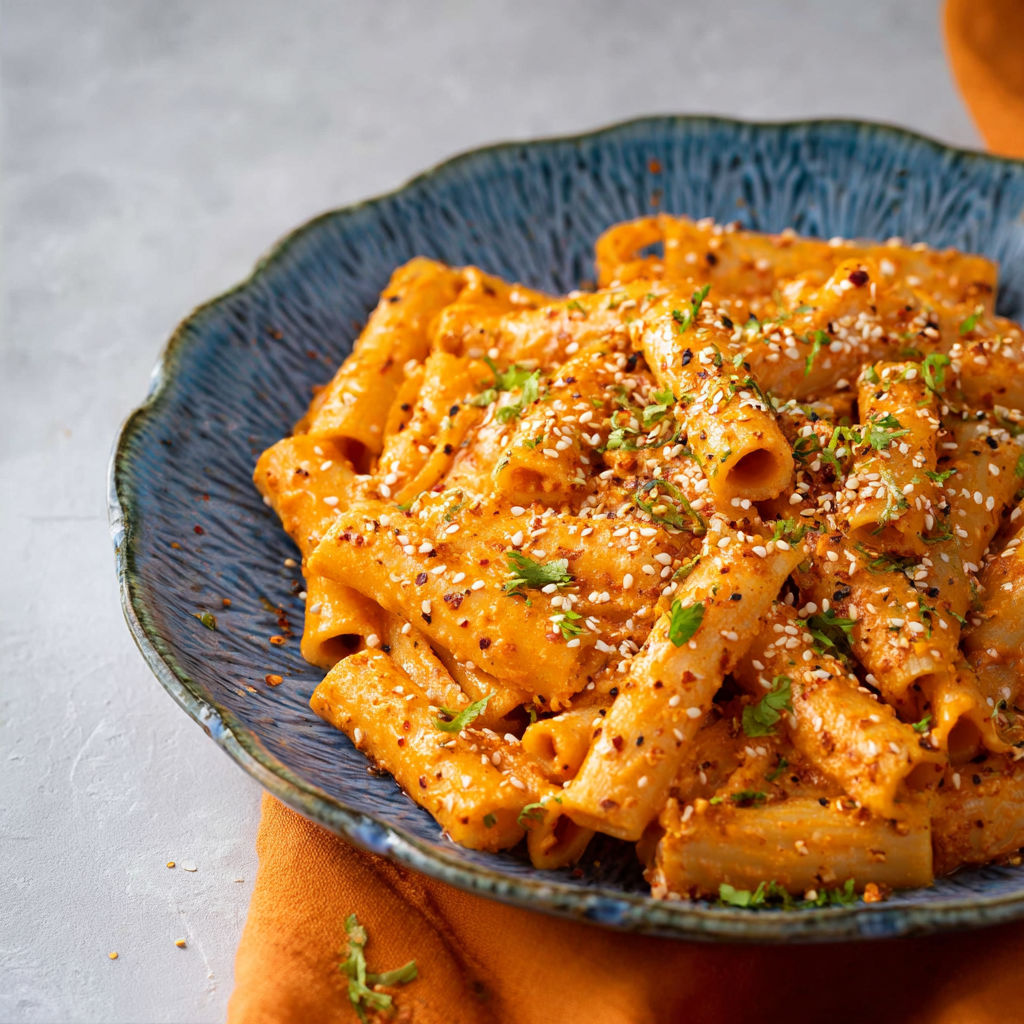
I love how the cream cheese transforms this chili-based sauce from sharp and punchy to silky smooth. One winter evening, I made it for friends who typically shy away from spicy food. They were surprised by how approachable the heat was and ended up loving the smoky-sweet flavors mingled with cheese.
Flavor Boosters
Store leftovers in an airtight container and refrigerate for up to three days. Reheat gently on low heat with a splash of pasta water or milk to restore creaminess. Avoid microwaving without stirring as the sauce can separate.
Serving Suggestions
Serve with a simple green salad dressed lightly with lemon and olive oil to cut through the richness. Crusty bread or garlic bread pairs exceptionally at soaking up any leftover sauce. A crisp white wine like Pinot Grigio balances out the heat, or a cold lager for a casual vibe.
Creative Twists
In colder months, add sautéed mushrooms or kale for earthiness and nutrition. During warmer seasons, toss in fresh herbs like basil or cilantro and reduce cream slightly for a lighter sauce. Adjust the spice level by adding fresh chili slices or using a milder paste in summer.
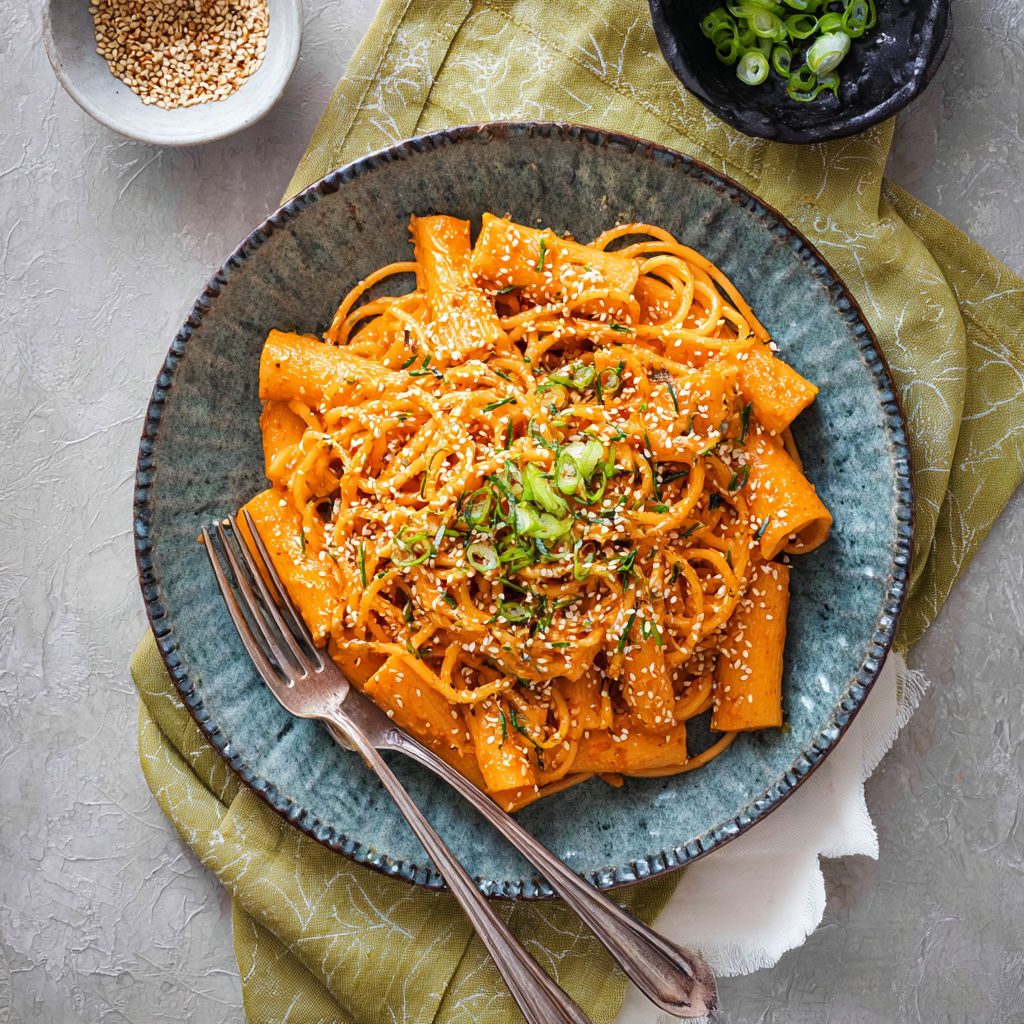
This is a quick yet impressive meal that blends bold flavors beautifully. It never fails to impress guests while being simple enough for a weeknight dinner.
Common Questions About This Recipe
- → What type of pasta works best for this dish?
Rigatoni is recommended for its shape and texture, but you can use other short pasta varieties like penne or rigatoni substitutes for similar results.
- → How spicy is the gochujang in this dish?
The spiciness depends on the amount of gochujang paste used. Adjust according to your heat preference to keep the balance creamy and flavorful.
- → Can I make this dish vegetarian?
For a vegetarian version, substitute the beef stock cube with vegetable stock and ensure the cheese you use is suitable for vegetarians.
- → What is the purpose of reserving pasta water?
Reserving some pasta water helps adjust the sauce consistency, making it creamier and helping it cling better to the pasta.
- → How should the dish be served for best flavor?
Serve immediately after adding Parmesan, parsley, and spring onions to enjoy the fresh and vibrant flavors at their peak.