
 Pin
Pin
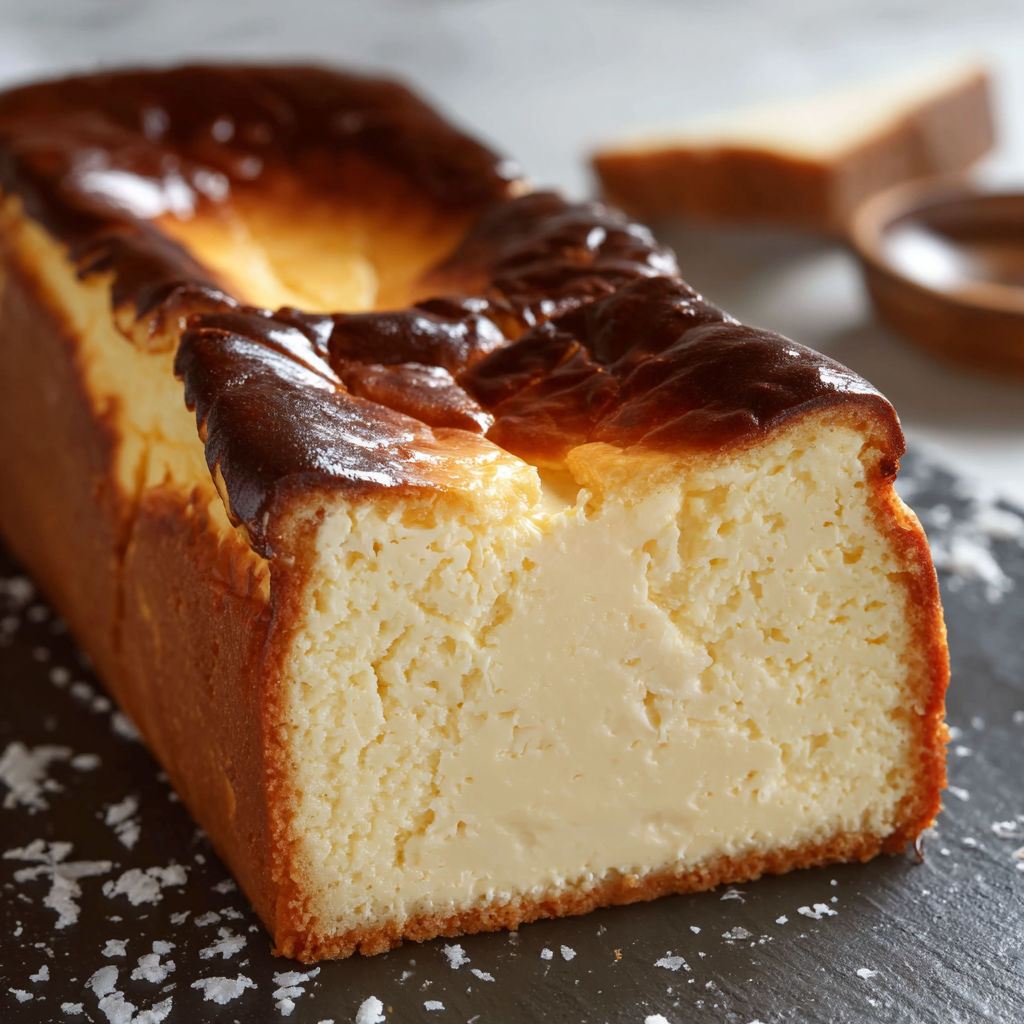
This indulgent Burnt Basque Cheesecake baked in a loaf pan has become my go to dessert when I want to impress without the fuss of a traditional cheesecake. The deeply caramelized top and creamy custard like center create a perfect balance of textures that makes every bite feel like a celebration. I adapted this Spanish classic to fit a standard loaf pan which makes it easier to slice and serve at dinner parties or family gatherings.
I stumbled upon this recipe during a rainy weekend when I was craving cheesecake but didn't want to deal with springform pans and complicated techniques. The first time I pulled it from the oven with that gorgeous dark caramelized top my family thought I'd ruined it until they tasted how that slight bitterness complemented the sweet creamy interior. Now it's requested for every holiday gathering and I've stopped making traditional cheesecake altogether.
Gather Your Ingredients
- Full Fat Cream Cheese at room temperature: This is the foundation of your cheesecake and must be completely softened to avoid lumps. Look for blocks rather than spreads and let them sit out for at least two hours before starting. The full fat version creates that signature luxurious texture.
- Granulated Sugar: Dissolves smoothly into the batter and helps create the caramelized crust. White sugar works best here as brown sugar can make the color too dark and overpower the delicate flavor.
- Large Eggs at room temperature: They incorporate more easily when warm and create a silkier batter. Cold eggs can cause the cream cheese to seize up and create lumps that are nearly impossible to smooth out.
- Heavy Cream: Adds richness and creates that barely set custardy center that Basque cheesecake is famous for. You can use lighter cream but your texture will be slightly less decadent.
- All Purpose Flour: Just a small amount provides structure without making the cake dense. Gluten free alternatives like rice flour or almond flour work beautifully if needed.
- Salt: Enhances all the flavors and prevents the cheesecake from tasting flat or one dimensional. Fine sea salt dissolves best.
- Caramel Sauce for drizzling: This finishing touch adds a sweet complement to the burnt top. Store bought works perfectly but homemade takes it to another level if you have time.
How to Make It
- Prepare Your Oven and Pan:
- Preheat your oven to 425 degrees Fahrenheit which is much hotter than traditional cheesecake recipes but essential for achieving that signature burnt top. Line your loaf pan with parchment paper letting it hang over the sides by at least two inches. This overhang acts as handles for easy removal and the wrinkles in the paper are completely fine as they add to the rustic appearance. Do not grease the pan as the parchment does all the work.
- Beat the Cream Cheese and Sugar:
- In a large mixing bowl using an electric mixer or stand mixer beat the softened cream cheese on medium speed for about three minutes until it becomes completely smooth and fluffy with no lumps visible. Add the granulated sugar and continue beating for another two minutes until the mixture looks lighter in color and has increased slightly in volume. Scrape down the sides of the bowl at least twice during this process to ensure everything incorporates evenly. This step is crucial because any lumps now will remain in your final cheesecake.
- Incorporate the Eggs:
- Add the eggs one at a time beating on low speed after each addition until just combined. Wait until each egg is fully incorporated before adding the next one which should take about thirty seconds per egg. Overbeating at this stage can incorporate too much air which leads to cracking though with Basque cheesecake some cracking adds to the charm. The mixture should look thick and glossy.
- Add Cream and Dry Ingredients:
- Pour in the heavy cream and beat on low speed for about one minute until smooth. In a small bowl whisk together the flour and salt then sprinkle over the cream cheese mixture. Beat on the lowest speed for just twenty to thirty seconds until the flour disappears. Overmixing after adding flour can create a tough texture so stop as soon as you no longer see white streaks.
- Pour and Bake:
- Pour the batter into your prepared loaf pan and tap it firmly on the counter three or four times to release any large air bubbles. Place the pan in the center of your preheated oven and bake for exactly 25 minutes. The top should be deeply golden brown to almost black in spots with the center still quite jiggly when you gently shake the pan. It will look underdone but this is exactly what you want. The residual heat continues cooking it as it cools.
- Cool and Finish:
- Remove the cheesecake from the oven and let it cool in the pan on a wire rack for at least one hour. As it cools the center will continue to set but will remain creamy and soft. Once cooled use the parchment paper handles to lift the cheesecake out of the pan. You can serve it at room temperature or refrigerate for two hours for a firmer texture. Drizzle the caramel sauce over the top just before slicing and serving.
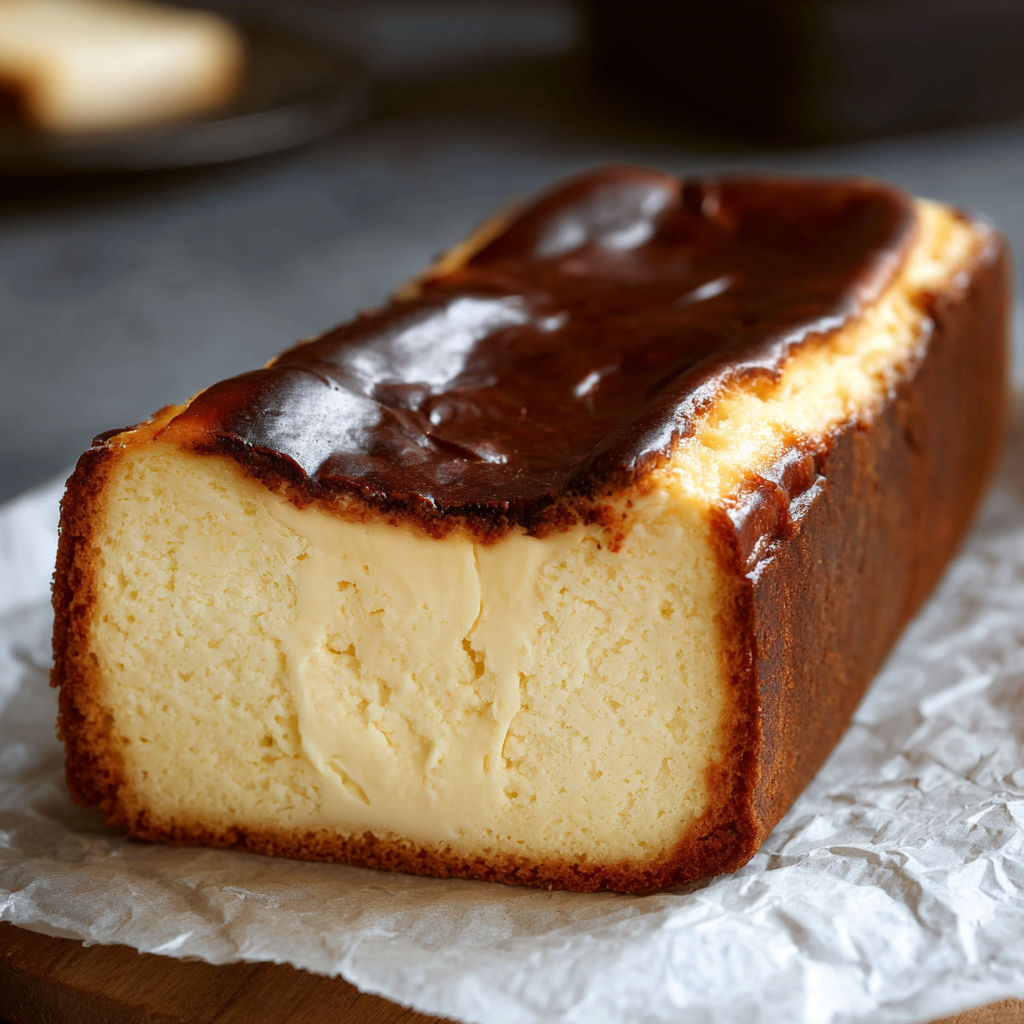
My favorite part of this cheesecake is how the burnt top tastes almost like crème brûlée with that slight bitterness cutting through the rich sweetness. The first time I served this at a family dinner my aunt who is notoriously picky about desserts asked for the recipe before she even finished her first slice. She later told me she's made it for every book club meeting since and it's become her signature dish. That deeply caramelized exterior isn't just for show; it provides a textural contrast and flavor dimension that regular cheesecake simply cannot match.
Flavor Boosters
You have more flexibility with this recipe than you might think. Mascarpone can replace up to half the cream cheese for an even richer flavor though it does make the texture slightly softer. Greek yogurt or sour cream can substitute for up to one third of the cream cheese if you want a tangier profile. For a dairy free version use coconut cream and cashew based cream cheese though the flavor will have a subtle coconut note. Maple syrup or honey can replace the granulated sugar but reduce the amount to two thirds cup as they are sweeter and add extra moisture. The caramel sauce is entirely optional; fresh berries, chocolate ganache, or even just a dusting of powdered sugar work beautifully.
- Coconut sugar creates a deeper caramel flavor in the burnt top
- Almond flour instead of all purpose adds a nutty richness
- Half and half works in place of heavy cream but reduces the creaminess
Serving Suggestions
This cheesecake shines when served simply but also handles embellishments beautifully. Slice it thick and serve with strong espresso for an elegant end to dinner. Fresh berries especially strawberries or raspberries provide a tart contrast to the sweet richness. A dollop of lightly sweetened whipped cream adds cloud like texture. For special occasions serve it with a scoop of vanilla ice cream and watch it melt into the warm cheesecake if you serve it fresh from the oven. I love pairing it with a glass of dessert wine like Sauternes or even a bold red wine which sounds unusual but the tannins cut through the richness perfectly.
- Dust with espresso powder for a tiramisu inspired variation
- Serve with salted caramel for sweet and salty contrast
- Top with toasted nuts for added crunch and visual appeal
Creative Twists
Burnt Basque Cheesecake originated in San Sebastian Spain at a restaurant called La Viña in the 1990s. Chef Santiago Rivera created it almost by accident when he left a cheesecake in the oven too long and discovered the burnt exterior added incredible flavor. Unlike American cheesecakes which aim for pristine smooth tops and dense textures this Spanish version celebrates imperfection with its cracked surface and creamy almost runny center. It has no crust which was revolutionary at the time and uses a much higher baking temperature. The dessert gained international fame when food writers discovered it in the early 2000s and now versions appear in bakeries worldwide. My loaf pan adaptation makes it more accessible for home cooks who may not have round cake pans while maintaining all the characteristics that made the original so beloved.
- Add citrus zest to the batter for brightness in any season
- Swap caramel for seasonal fruit sauces throughout the year
- Spices like cardamom or chai blend transform the flavor profile
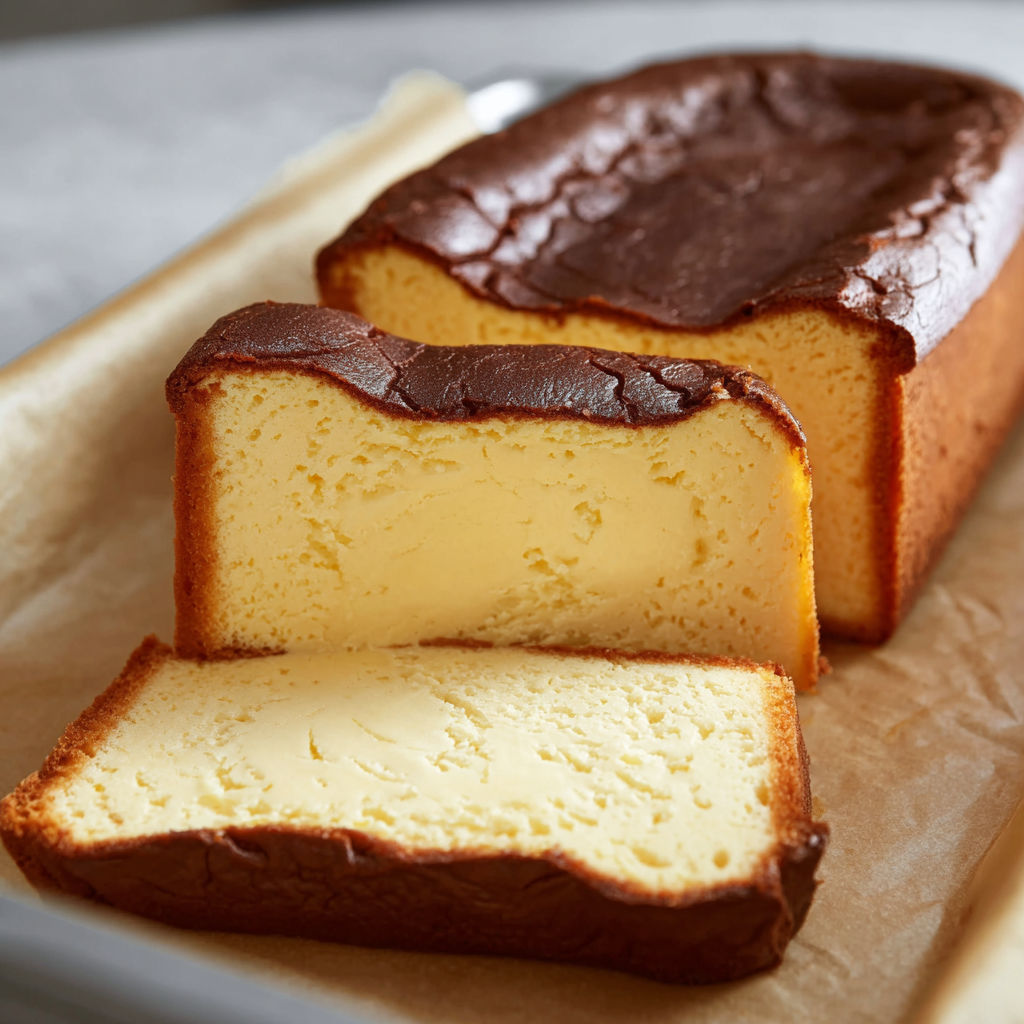
This Burnt Basque Cheesecake is my favorite way to end any meal—deeply satisfying, showstopping, and easy enough for anyone to make. Embrace its rustic charm and let each slice bring a little bit of Spanish celebration to your table.
Common Questions About This Recipe
- → What type of cream cheese works best?
Full-fat cream cheese at room temperature yields the smoothest, richest texture for this burnt basque cheesecake.
- → Can I substitute heavy cream?
Lighter cream options can be used, but heavy cream delivers the most indulgent, silky crumb.
- → Is gluten-free flour suitable?
Yes, gluten-free all-purpose flour alternatives blend well without compromising structure or taste.
- → Do I need to chill the cheesecake before serving?
Chilling intensifies the flavors and makes slicing easier, though it's delicious slightly warm as well.
- → How do I achieve the signature burnt top?
Bake at a high temperature so the top caramelizes and forms a deliciously toasted, crackly finish.